
Upper Respiratory Tract Infections (URTIs) are among the most common illnesses affecting
both children and adults. They involve the nose, throat, sinuses, and upper airways and
include conditions such as the common cold, pharyngitis, tonsillitis, sinusitis, and laryngitis.
Although most URTIs are self-limiting, recurrent episodes can significantly affect health, daily
activities, school attendance, and work productivity.
From a homeopathic perspective, infection is not merely the result of exposure to
microorganisms. The individual’s susceptibility, vitality, and constitutional makeup determine
how the body reacts to disease-producing influences. Therefore, homeopathy focuses on both
the acute illness and the underlying tendency to suffer from repeated infections.
Causes of URTI
URTIs are commonly caused by viruses and, less frequently, by bacteria. Several factors may
increase the likelihood of developing respiratory infections:
- Exposure to infected individuals
- Seasonal and climatic changes
- Air pollution and environmental irritants
- Poor nutrition
- Inadequate sleep
- Physical exhaustion
- Stress and emotional disturbances
- Allergic tendencies
- Weak immune resistance
Symptoms of URTI
The symptoms of URTI may vary depending on the affected area but commonly include:
- Running or blocked nose
- Sneezing
- Sore throat
- Fever
- Cough
- Hoarseness of voice
- Difficulty swallowing
- Headache
- Facial pain or sinus congestion
- General weakness and fatigue
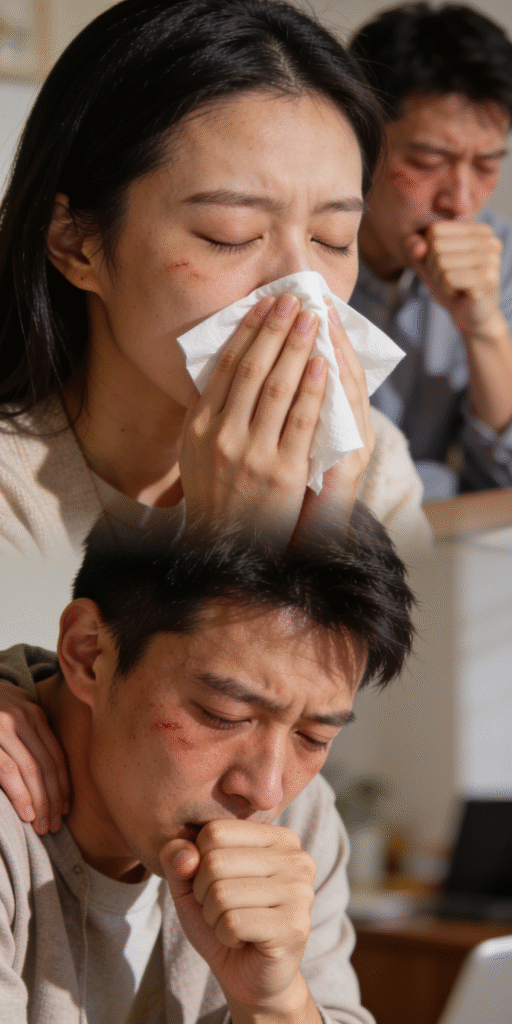
In children, recurrent URTIs may also lead to poor appetite, disturbed sleep, irritability, and reduced school performance.
Recurrence of URTI
One of the major challenges in managing URTIs is their tendency to recur. Some individuals experience repeated episodes of cold, cough, tonsillitis, sinusitis, or throat infections several times a year.
Homeopathy explains recurrence through the concept of susceptibility. Individuals exposed to the same environment often react differently:
- One person develops severe infection.
- Another develops mild symptoms.
- A third remains healthy.
The difference lies in the body’s resistance and constitutional strength. Recurrent infections suggest an underlying predisposition that requires deeper treatment rather than repeated symptomatic management alone.
Impact of Recurrent URTI
Frequent respiratory infections can have significant consequences.
In Children
- Repeated school absenteeism
- Poor concentration and learning difficulties
- Reduced appetite
- Disturbed sleep
- Delayed growth and development
- Increased tendency toward allergies and asthma
In Adults
- Reduced work productivity
- Frequent sick leave
- Physical fatigue
- Emotional stress
- Reduced quality of life
Long-standing recurrent URTIs may also contribute to complications such as chronic sinusitis, enlarged adenoids, recurrent ear infections, and chronic respiratory complaints.
Homeopathic Approach to URTI:

Homeopathy treats the patient as a whole rather than focusing solely on the infection. According to homeopathic philosophy, disease develops when the vital force becomes disturbed. The infecting organism acts as a trigger, but susceptibility determines whether disease occurs and how severe it becomes.
Acute Treatment
During acute infections, remedies are selected according to the individual’s symptoms. The aim is to support the body’s natural healing response and provide symptomatic relief.
Constitutional Treatment:
For recurrent URTIs, constitutional treatment plays a vital role. The constitutional remedy is selected based on:
- Physical constitution
- Temperament and personality
- Food preferences
- Thermal reactions
- Sleep patterns
- Emotional characteristics
- Family history
- Pattern of recurrent illnesses

Homeopathy and Immunity:
From a homeopathic perspective, immunity represents the harmonious functioning of the entire organism rather than merely the presence of antibodies or immune cells.
By improving vitality and constitutional balance, homeopathy aims to:
- Strengthen resistance to infections
- Reduce recurrence
- Improve recovery
- Enhance overall well-being
- Support healthy growth and development
Patients undergoing constitutional treatment often report fewer infections, milder symptoms, faster recovery, improved appetite, better sleep, and increased energy levels.
Prevention of Recurrent URTI:
Prevention involves improving both lifestyle factors and constitutional health.
Important preventive measures include:

- Balanced and nutritious diet
- Adequate sleep
- Regular physical activity
- Proper hydration
- Good personal hygiene
- Avoidance of tobacco smoke and pollutants
- Stress management
- Timely treatment of allergies and respiratory illnesses
From a homeopathic standpoint, constitutional treatment helps reduce susceptibility and improves the body’s natural adaptive capacity, thereby reducing the likelihood of recurrent infections.
Home care measures:
- Rest and adequate sleep.
- Drink plenty of warm fluids (soups).
- Gargle with warm salt water
- Steam inhalation.
- Avoid cold foods and cold drinks.
- Keep warm room and well ventilated.
When to see a Doctor:
In Children
- Fever higher than 102°F (39°C) or fever lasting more than 3 days
- Difficulty breathing or fast breathing
- Wheezing
- Ear pain or ear discharge (may indicate otitis media)
- Refusal to eat or drink
- Excessive sleepiness or lethargy
- Symptoms lasting more than 10–14 days
- Recurrent URTIs affecting growth, sleep, or school attendance
In Adults
- High fever lasting more than 3–5 days
- Shortness of breath
- Chest pain
- Persistent cough lasting more than 3 weeks
- Severe sinus pain or facial swelling
- Difficulty swallowing
- Symptoms worsening instead of improving
- Frequent recurrent infections
- Significant weakness or dehydration

Conclusion
Upper Respiratory Tract Infections are common illnesses that can become a significant health burden when they recur frequently. While microorganisms may initiate infection, homeopathy emphasizes the importance of individual susceptibility, vitality, and constitutional factors in determining disease occurrence and recurrence.
Through individualized treatment and constitutional prescribing, homeopathy seeks not only to manage acute symptoms but also to strengthen immunity, reduce recurrence, improve resistance, and promote long-term health. This holistic approach aims to support overall wellbeing in both children and adults while addressing the underlying tendency toward recurrent respiratory infections.
Leave a Reply