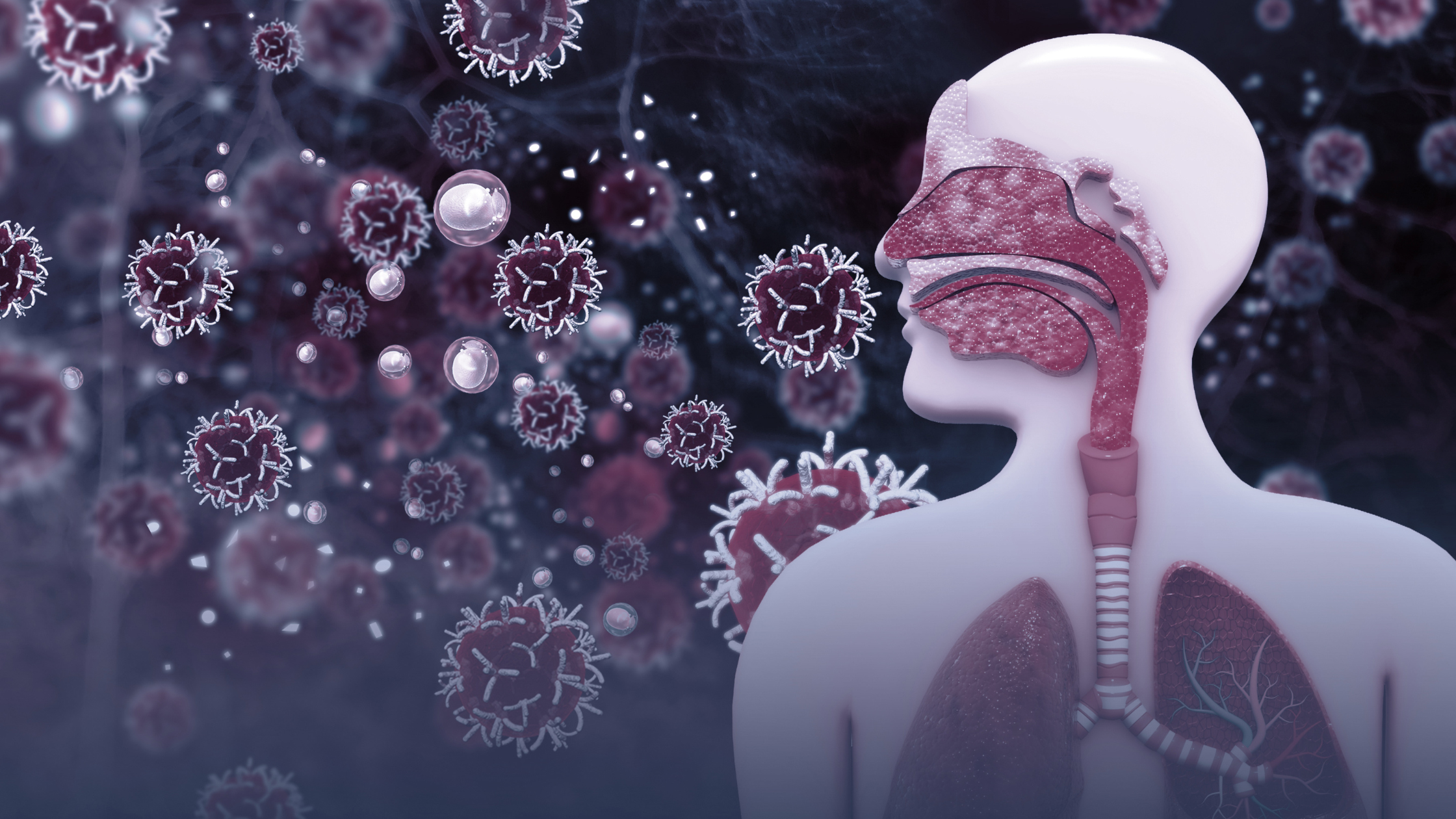
As winter sets in, the incidence of respiratory infections such as the common cold, influenza (flu) and respiratory syncytial virus (RSV) typically rises. These illnesses can range from mild to severe, particularly affecting vulnerable populations. During the colder months, it’s essential to take proactive measures to protect yourself and your loved ones from these infections.
Taking proactive steps to stay safe and healthy during this time is essential. By understanding the risks, adopting preventive measures and being mindful of symptoms, you can significantly reduce the chances of contracting these infections. This guide offers key tips to help you stay protected throughout the winter season.
Understanding Common Winter Respiratory Infections
- Common Cold: A viral infection of the upper respiratory tract, characterized by symptoms such as a runny or stuffy nose, sore throat, cough and mild body aches
- Influenza (Flu): A contagious respiratory illness caused by influenza viruses, leading to symptoms like fever, chills, muscle aches, fatigue and respiratory distress.
- Respiratory Syncytial Virus (RSV): A virus that can cause severe respiratory illness, especially in infants and older adults, leading to bronchiolitis and pneumonia.
Preventive Measures to Protect Yourself
- Vaccination: Annual flu vaccinations are recommended for everyone aged six months and older. Getting vaccinated helps reduce the risk of severe illness and complications associated with the flu.
- Hand Hygiene: Regularly wash your hands with soap and water for at least 20 seconds, especially after coughing, sneezing, or visiting public places. If soap and water are unavailable, use an alcohol-based hand sanitizer.
- Respiratory Etiquette: Cover your mouth and nose with a tissue or your elbow when coughing or sneezing. Dispose of tissues properly and wash your hands immediately to prevent the spread of germs.
- Avoid Close Contact: Limit close contact with individuals showing symptoms of respiratory infections. If you are unwell, stay at home to prevent spreading illness.
- Maintain a Healthy Lifestyle: Ensure adequate sleep, consume a balanced diet rich in fruits and vegetables, stay hydrated and engage in regular physical activity to strengthen your immune system.
- Environmental Measures: Keep indoor spaces well-ventilated by opening windows periodically. Use humidifiers to maintain optimal humidity levels, which can help reduce the survival of viruses in the air.
Recognizing Symptoms and Seeking Medical Attention
Be vigilant for symptoms such as:
- Persistent cough
- Shortness of breath
- High fever
- Severe fatigue
If you experience any of these symptoms, especially if they worsen or do not improve, seek medical attention promptly.
Conclusion
By implementing these preventive measures, you can significantly reduce the risk of contracting respiratory infections during the winter months. Staying informed, maintaining good hygiene practices and adopting a healthy lifestyle can go a long way in protecting yourself and those around you. If you have concerns or need further guidance, seek advice from a healthcare professional.
For individuals managing chronic lung conditions such as asthma, chronic obstructive pulmonary disease (COPD) and other respiratory ailments, seeking expert care is vital. Dr. Vinod Kolla leads our Pulmonology Department, offering specialized services to tackle a wide range of respiratory conditions.
Equipped with advanced diagnostic technologies, including CT scans, X-rays, spirometry and bronchoscopy, our department ensures accurate evaluation and early detection of conditions like pneumonia, bronchitis and other serious lung disorders. We offer a full range of treatments, from pulmonary hygiene to airway procedures and biopsy services, all personalized to meet the individual needs of our patients.
Our experienced pulmonologists prioritize comprehensive, patient-focused care, supporting both long-term management of chronic respiratory conditions and offering intensive care for those requiring immediate attention. Whether dealing with ongoing respiratory challenges or needing specialized care, our Pulmonology Department is dedicated to delivering exceptional respiratory health services.
Stay informed, stay healthy and take proactive steps to protect yourself and your loved ones this winter season.
Leave a Reply