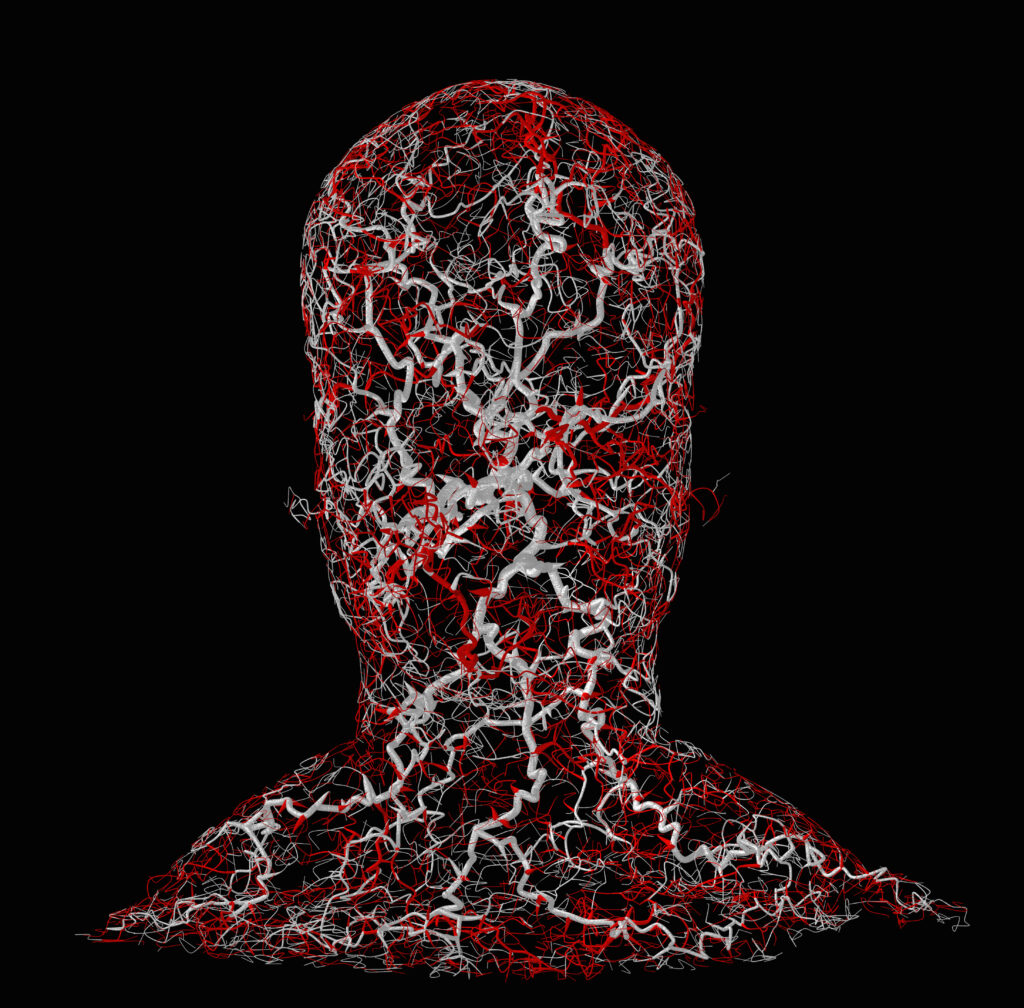
Vascular disease refers to a group of conditions that affect the blood vessels – the arteries, veins, and capillaries that transport blood throughout the body. These vessels are responsible for delivering oxygen and nutrients to tissues while removing waste products. When blood flow is disrupted due to narrowing, blockage, or damage, it can affect organ function and lead to serious complications.
In most cases, vascular disease occurs due to plaque buildup – a mix of fat and cholesterol – inside the arteries or veins, reducing blood flow. While some individuals manage their condition through lifestyle changes, others may need medication or surgery.
What Is Vascular Disease?
Vascular disease includes any disorder that affects the circulatory system. It involves issues with arteries (which carry blood away from the heart), veins (which return blood to the heart), or the tiny capillaries that connect them. These problems can develop in various parts of the body and range from mild to life-threatening.
Types of Vascular Disease
Peripheral Artery Disease (PAD)
PAD occurs when plaque builds up in arteries outside the heart, often in the legs. This can limit blood flow and, if severe, lead to tissue damage or even loss of a limb. Other related conditions include:
- Intestinal ischemic syndrome: Blockage in vessels supplying the digestive tract.
- Renal artery disease: Narrowed arteries to the kidneys, possibly leading to kidney failure.
- Popliteal Entrapment Syndrome: In some athletes, muscles around the knee compress the artery, limiting lower leg blood flow.
- Raynaud’s Phenomenon: Small artery spasms in the fingers or toes, triggered by cold or stress.
- Buerger’s Disease: A rare condition strongly associated with tobacco use, leading to vessel blockage in arms and legs. Severe cases may result in gangrene.
Carotid Artery Conditions
These affect the two main arteries in the neck that supply the brain:
- Carotid artery disease: Plaque buildup can cause a mini-stroke (TIA) or full stroke.
- Carotid artery dissection: A tear in the artery wall allows blood to leak between layers.
- Carotid body tumors: Abnormal growths near the artery.
- Carotid aneurysm: A weakened artery wall that can potentially rupture.
Venous Diseases
Veins are flexible, hollow tubes with flaps inside, called valves. When your muscles contract, these one-way valves open, and blood moves through your veins. When your muscles relax, the valves close, keeping blood flowing in one direction through your veins.
If the valves inside your veins become damaged, the valves may not close completely. This allows blood to flow in both directions. When your muscles relax, the valves inside the damaged vein(s) will not be able to hold the blood. This can cause pooling of blood or swelling in your veins. The veins bulge and look like ropes under the skin. The blood begins to move more slowly through your veins and may stick to the sides of your vessel walls. Symptoms include heaviness, aching, swelling, throbbing or itching, blood clot can form.
- Varicose veins: Enlarged, twisted veins seen beneath the skin.
- Spider veins: Small, visible red or purple vessels.
- Chronic venous insufficiency: When veins struggle to send blood back to the heart.
- May-Thurner syndrome: Compression of the left iliac vein, increasing clot risk.
- Thoracic outlet syndrome: Compression of vessels and nerves near the neck and chest.
- Klippel-Trenaunay syndrome (KTS): A rare congenital disorder affecting blood vessels.
Blood Clot Disorders
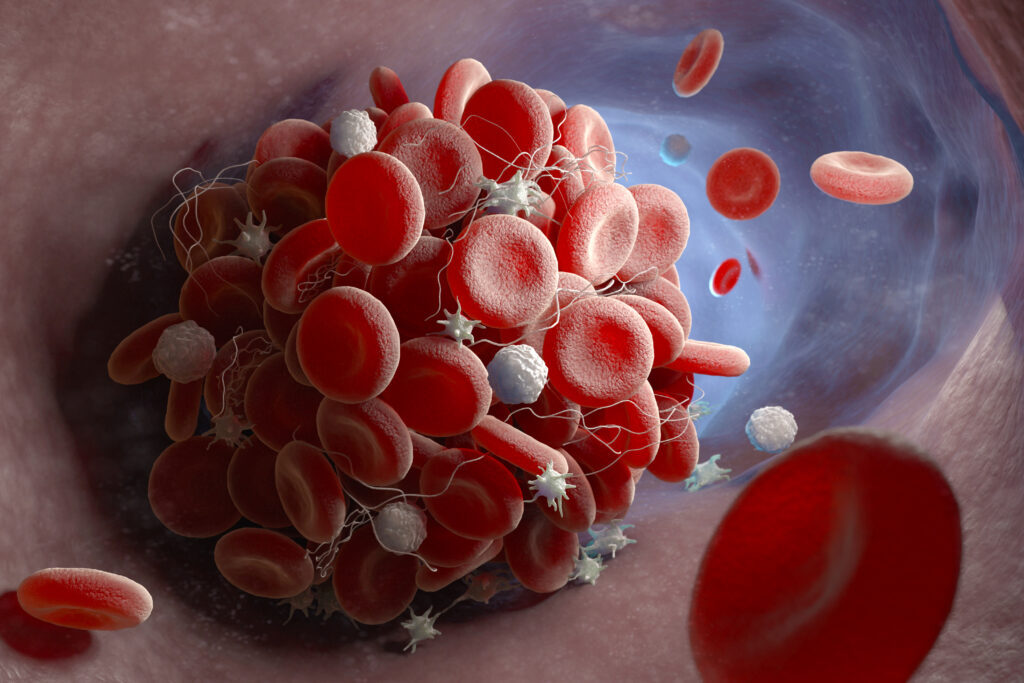
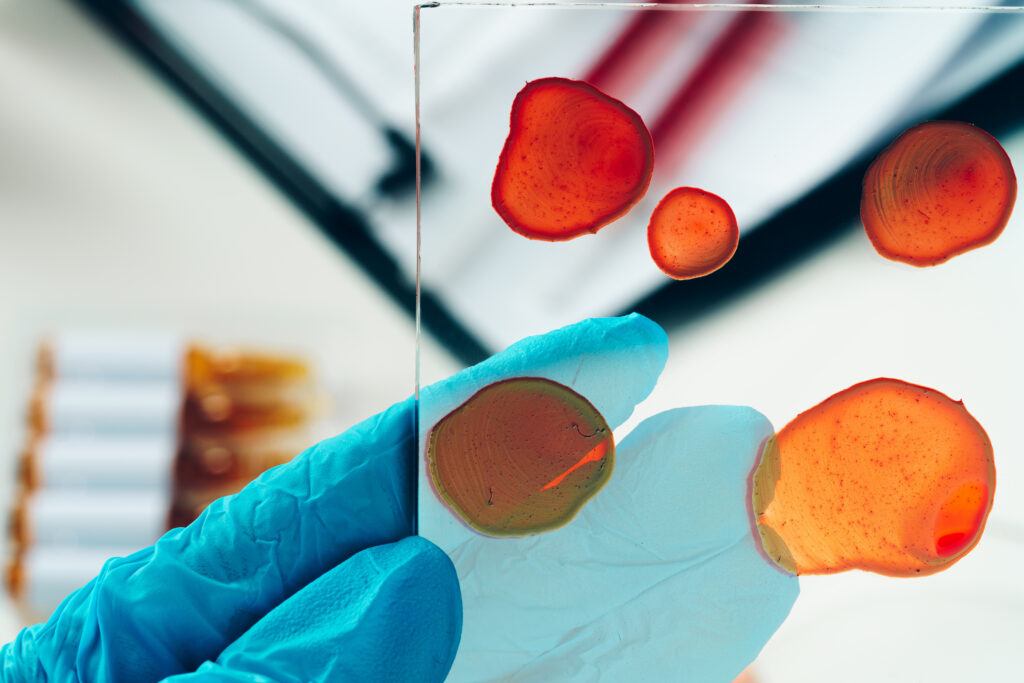
A clot forms when clotting factors in your blood make it coagulate or become a solid, jelly-like mass. When a blood clot forms inside a blood vessel (a thrombus), it can come loose and travel through your bloodstream, causing a deep vein thrombosis, pulmonary embolism, heart attack or stroke.
Blood clots in your arteries can increase the risk for stroke, heart attack, severe leg pain, difficulty walking or even the loss of a limb.
- Deep vein thrombosis (DVT): A clot in a deep vein, often in the leg.
- Pulmonary embolism: A DVT clot that travels to the lungs.
- Superficial thrombophlebitis: A clot in a vein just below the skin.
- Hypercoagulable states: Conditions (genetic or acquired) that make blood more likely to clot.
- Axillo-subclavian vein thrombosis (Paget-Schroetter Syndrome): A rare condition in young athletes caused by vein compression.
Aneurysms
Aneurysms are abnormal bulges in blood vessel walls. They are most common in the aorta, the body’s main artery:
- Thoracic aortic aneurysm
- Abdominal aortic aneurysm
These conditions can be silent until they rupture.
Fibromuscular Dysplasia (FMD)
FMD causes abnormal growth in the walls of medium and large arteries, resulting in narrowing, aneurysms, or tears. Affected arteries may appear beaded on imaging.
Lymphedema
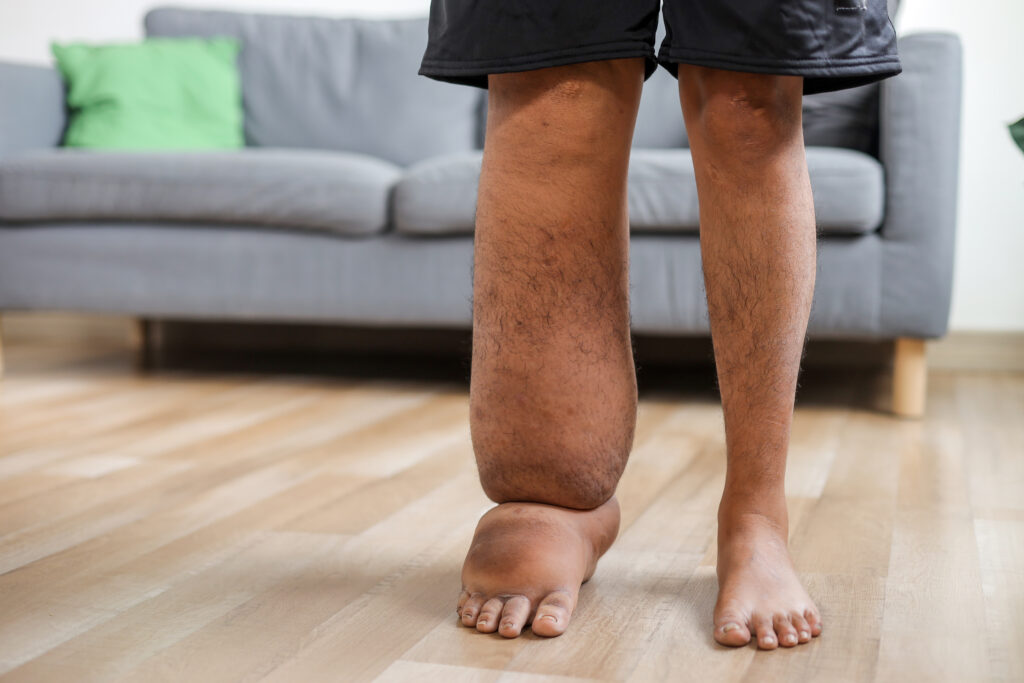
This involves swelling, often in the arms or legs, due to blockages or damage in the lymphatic system. It may be:
- Primary (from birth), or
- Secondary (after surgery, infection, trauma, or radiation).
Vasculitis
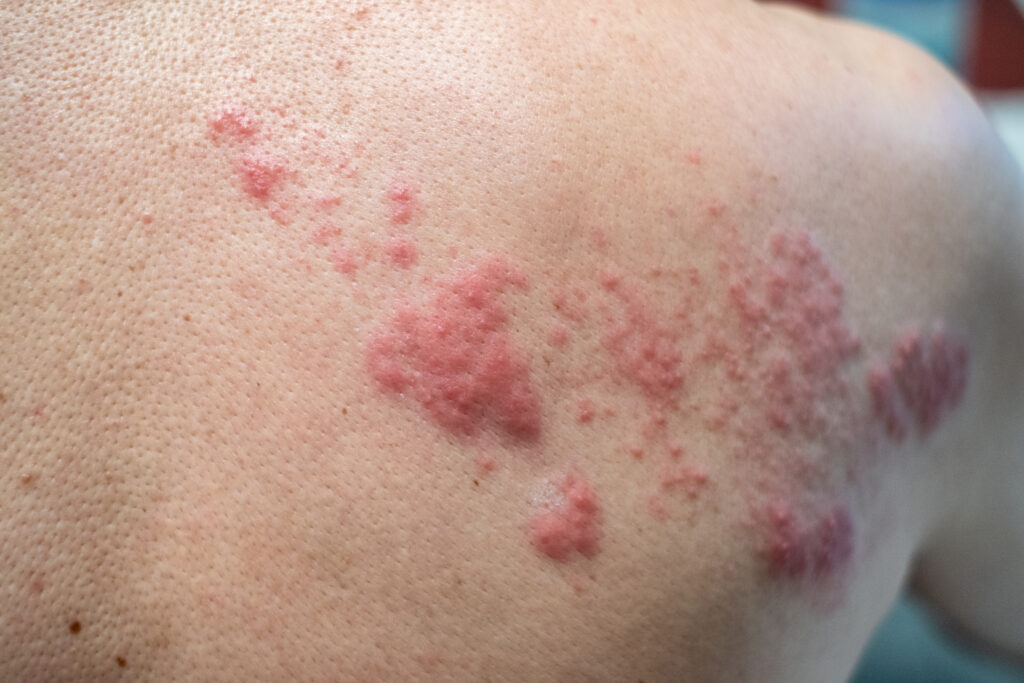
Inflammation of blood vessels, sometimes triggered by medication, infection, or autoimmune diseases. It can lead to narrowed vessels, aneurysms, or even tissue damage.
Who Gets Vascular Disease?
Some individuals are born with conditions like clotting disorders, while others develop vascular disease over time due to lifestyle and health factors. Atherosclerosis, for instance, can begin in teenage years and gradually worsen with age. Risk factors include high cholesterol, high blood pressure, diabetes, smoking and obesity.
Symptoms
Symptoms vary depending on the affected blood vessels:
- PAD: Leg cramps during activity, ulcers, skin color changes.
- Carotid disease: Often no symptoms until a stroke or mini-stroke.
- Renal artery disease: High blood pressure, abnormal kidney function.
- Raynaud’s: Fingers/toes turning red, white, or blue.
- DVT: Swelling, warmth, pain in the leg.
- Pulmonary embolism: Chest pain, coughing blood, difficulty breathing.
- Aneurysms: May remain silent until rupture; then cause pain, low blood pressure.
- Lymphedema: Swelling, heaviness in limbs.
- Vasculitis: Fever, swelling, general malaise.
Diagnosis
A physical exam and detailed medical history are essential. Patients are often advised to remove shoes and socks for a thorough vascular exam.
Common diagnostic tests include:
- Vascular ultrasound
- CT/MR angiography
- Catheter angiogram
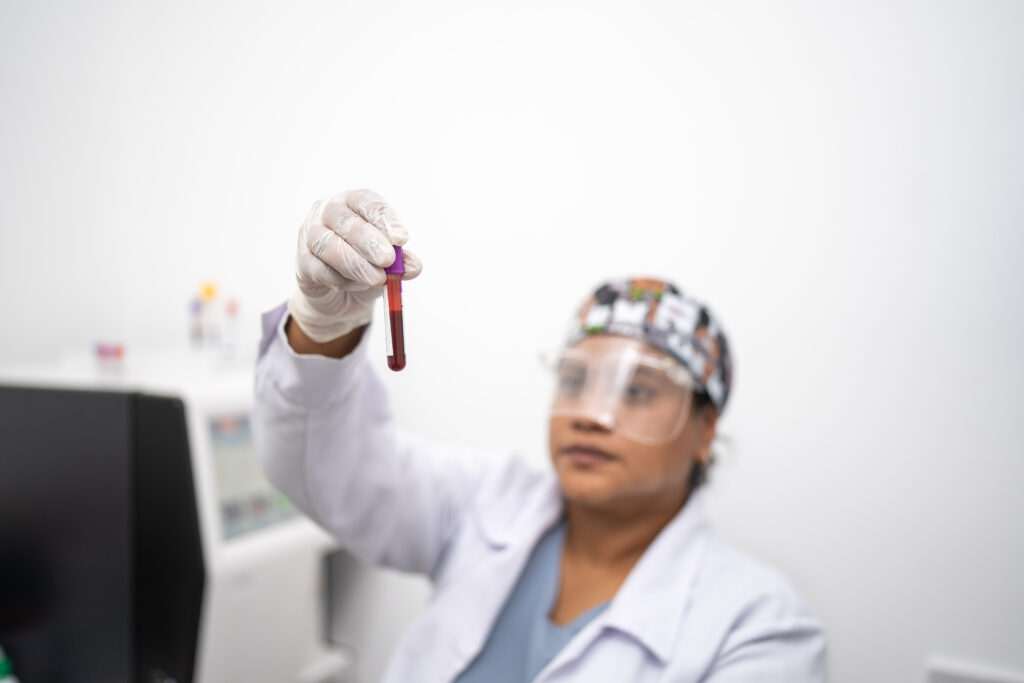
- Blood tests for clotting disorders
Treatment
- Lifestyle changes: Diet, exercise, quitting tobacco.
- Medications: To manage blood pressure, cholesterol, or clotting.
- Surgical interventions: Such as angioplasty, stenting, or bypass surgery.
Supportive therapy: Compression stockings, limb elevation, or lymphatic drainage.
Diagnosis
A physical exam and detailed medical history are essential. Patients are often advised to remove shoes and socks for a thorough vascular exam.
Common diagnostic tests include:
- Vascular ultrasound
- CT/MR angiography
- Catheter angiogram
- Blood tests for clotting disorders
For instance:
- PAD: May respond to walking programs and blood thinners.
- Carotid artery disease: May require surgery or stenting.
- Aneurysms: Larger ones may need surgical repair.
- DVT/PE: Treated with blood thinners and, in severe cases, clot-removal procedures.
- Lymphedema: Managed through limb elevation, compression, and physiotherapy.
- Vasculitis: Often treated with steroids or other immune-modulating drugs.
Outlook and Prevention
Many vascular conditions, if caught early, can be managed successfully. Regular monitoring, medication adherence, and lifestyle improvements are vital.
To reduce your risk:
- Manage diabetes, blood pressure, and cholesterol.
- Exercise regularly.
- Avoid smoking.
- Maintain a healthy weight.
- Take medications as prescribed.
When to Seek Help
Seek immediate care if you experience:
- Chest pain
- Sudden weakness or numbness
- Vision loss
- Confusion or difficulty speaking
- Severe abdominal pain
- Swelling in a limb with warmth and redness
Conclusion
Vascular disease can affect various parts of the body and may not always show symptoms in the early stages. From leg pain to signs of stroke, these conditions require attention and proper care. At Rashtrotthana Hospital, we diagnose and manage a wide range of vascular conditions with a team-based approach focused on your overall well-being. Our expert, Dr. Sameer M. Halageri, is available to evaluate and guide you through the right treatment options, whether it’s through lifestyle advice, medications, or advanced procedures.
If you’re experiencing any symptoms or have concerns about your vascular health, don’t wait. Visit Rashtrotthana Hospital and consult Dr. Sameer M. Halageri for expert care and support.
Leave a Reply