
You wake up with a scratchy throat, hoping it’s nothing. But soon, swallowing becomes painful, your energy dips, and you feel a fever coming on. If that sounds familiar, you might be dealing with tonsillitis – a common but uncomfortable condition that affects people of all ages, especially children and teenagers.
Let’s break it down in a way that’s easy to understand – from what causes it to how you can treat it and prevent it from coming back.
What Is Tonsillitis?
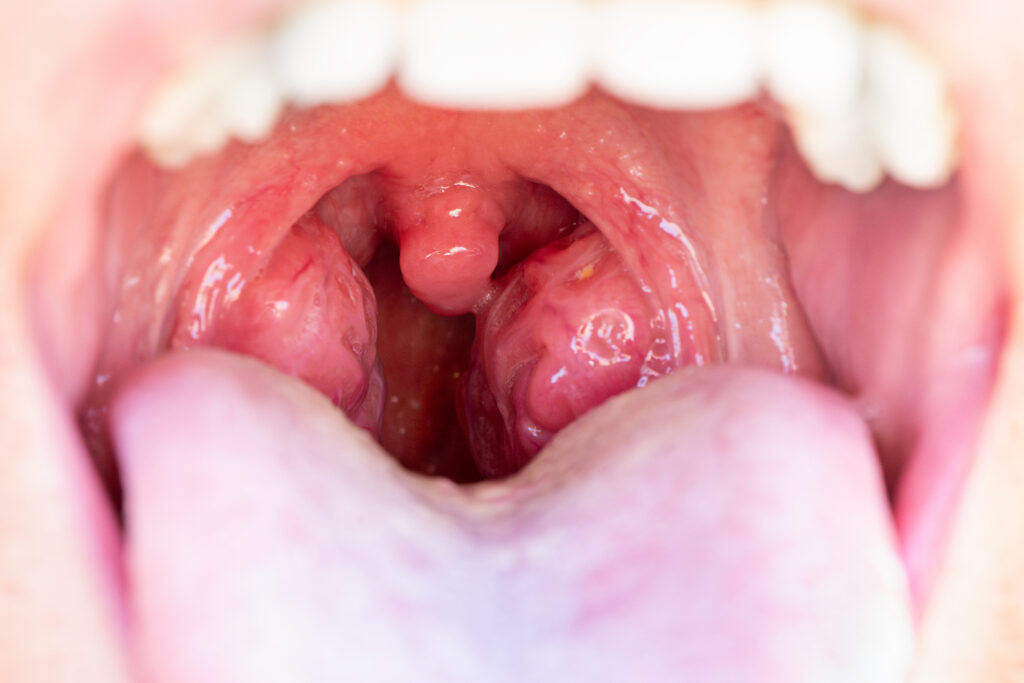
Tonsillitis is the inflammation or infection of the tonsils – the two soft, oval-shaped tissues at the back of your throat. These little glands are part of your immune system and act as a first line of defense against germs. But when viruses or bacteria overwhelm them, they swell up, get painful, and make swallowing difficult.While people often call it a sore throat, true tonsillitis comes with other signs like swollen tonsils, fever and sometimes visible white patches at the back of your throat.

Who Gets It – And At What Age?
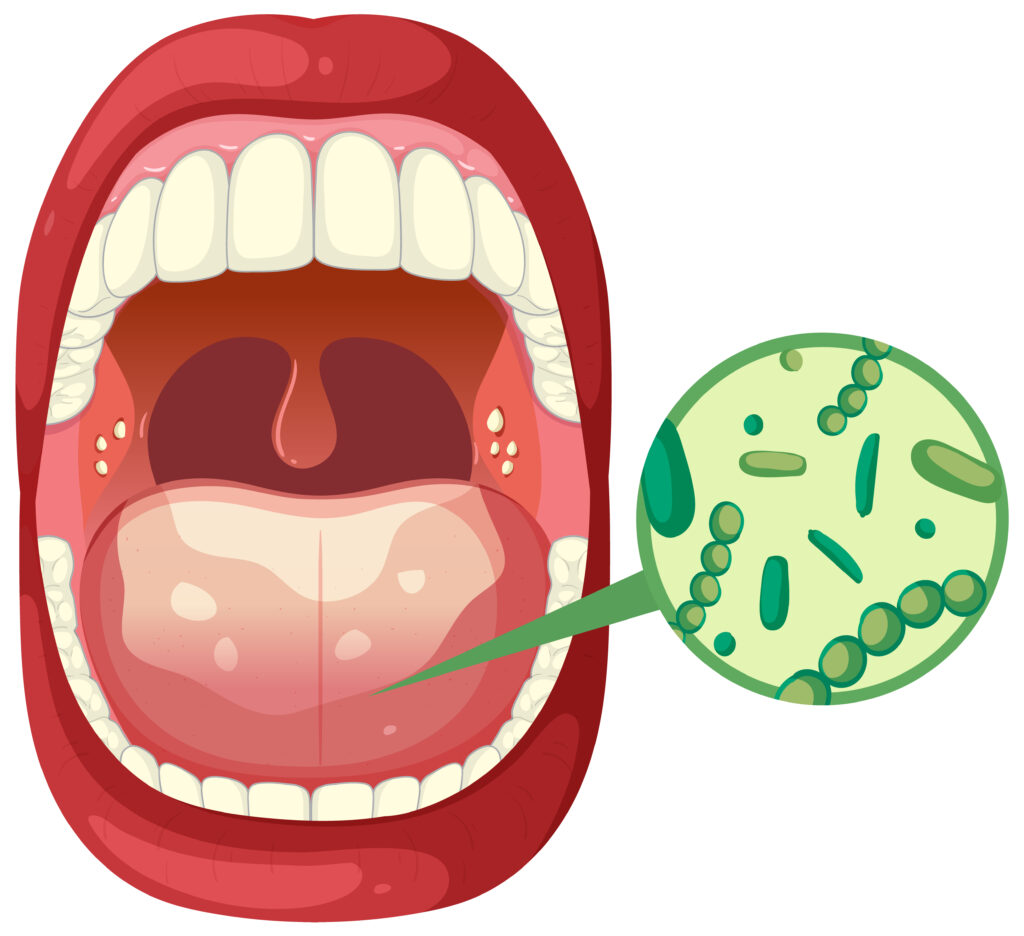
Tonsillitis can happen to anyone, but it’s most common between ages 5 and 15. Young children rarely get it (especially under age 3), but school-going kids and teens catch it often due to close contact in classrooms or playgrounds. Adults can also get tonsillitis — especially those who are around children or work in crowded environments.
What Causes Tonsillitis?
Tonsillitis is usually caused by infections that spread through the air or by touch. These include:
- Viruses (like cold and flu viruses): Cause about 70% of cases
- Bacteria (most commonly Group A Streptococcus): This leads to strep throat, which is a more intense form of bacterial tonsillitis
The infection can spread through:
- Coughing, sneezing
- Sharing cups, bottles, or utensils
- Kissing or close face-to-face contact
- Touching surfaces and then your mouth or nose
What Does Tonsillitis Feel Like?
Symptoms usually show up suddenly and can include:
- A sore or scratchy throat
- Pain when swallowing
- Red, swollen tonsils
- White or yellow patches on the tonsils
- Fever (usually above 100.4°F / 38°C)
- Swollen glands in the neck
- Headache or body aches
- Bad breath
- In kids: stomach pain, nausea, or vomiting
How Is It Diagnosed?
Doctors can often identify tonsillitis just by looking at your throat. But to be sure — especially to find out if it’s strep — they might do a throat swab (called a rapid strep test or throat culture).
This helps decide if antibiotics are needed or not.

Treatment: How to Feel Better

If it’s viral tonsillitis:
- Rest, plenty of fluids
- Warm drinks like soup or herbal tea
- Saltwater gargles
- Lozenges or throat sprays
- Over-the-counter pain relievers (like paracetamol or ibuprofen)
If it’s bacterial (strep throat):
- Antibiotics (like penicillin or amoxicillin)
- It’s very important to finish the full course, even if you feel better in a day or two
Chronic or recurring tonsillitis?
If you get tonsillitis multiple times a year, doctor might suggest a tonsillectomy – a simple surgery to remove the tonsils. This is often recommended if tonsillitis affects sleep, breathing, or daily life.
Can You Prevent It?
You can’t completely avoid tonsillitis, but you can reduce the chances:
- Wash your hands often
- Avoid sharing food, drinks, or utensils
- Keep your toothbrush clean and replace it after being sick
- Stay away from people who have sore throats or colds
- Strengthen your immune system with sleep, fruits, and water
Home Remedies to Ease the Pain
- Sip on warm fluids (not too hot!)
- Use a humidifier in your room
- Avoid cold, spicy, or acidic foods
- Take short naps and rest your voice
Avoid talking too much or yelling
Can It Cause Complications?
Most cases go away in a few days, but untreated bacterial tonsillitis can sometimes lead to:
- Peritonsillar abscess (a pus-filled area behind the tonsil)
- Sleep apnea
- Tonsil stones
- Rheumatic fever (in rare cases)
- Kidney inflammation
This is why timely diagnosis and treatment are so important.
When to See a Doctor
- Your sore throat lasts more than 3-4 days
- You have a fever above 101°F (38.3°C)
- Swallowing or breathing becomes difficult
- You see white patches on your tonsils
You feel very tired or weak
Conclusion
Tonsillitis might feel like “just a sore throat,” but it’s your body’s way of asking for care. Whether it’s caused by a virus or bacteria, rest and timely treatment can make all the difference. And if the infection keeps coming back, a tonsillectomy might be the long-term solution.
Take it easy. Drink warm fluids. Give your body the rest it needs. If symptoms persist or worsen, don’t wait – consult the doctor for proper diagnosis and care. It’s always better to treat tonsillitis early than to deal with complications later.At Rashtrotthana Hospital, we provide expert care for children, teens, and adults facing recurrent throat infections, including personalized treatment plans and surgical options when necessary. If you or your loved one is struggling with frequent tonsillitis, consult our experienced ENT specialists for safe, reliable and compassionate care.
Leave a Reply