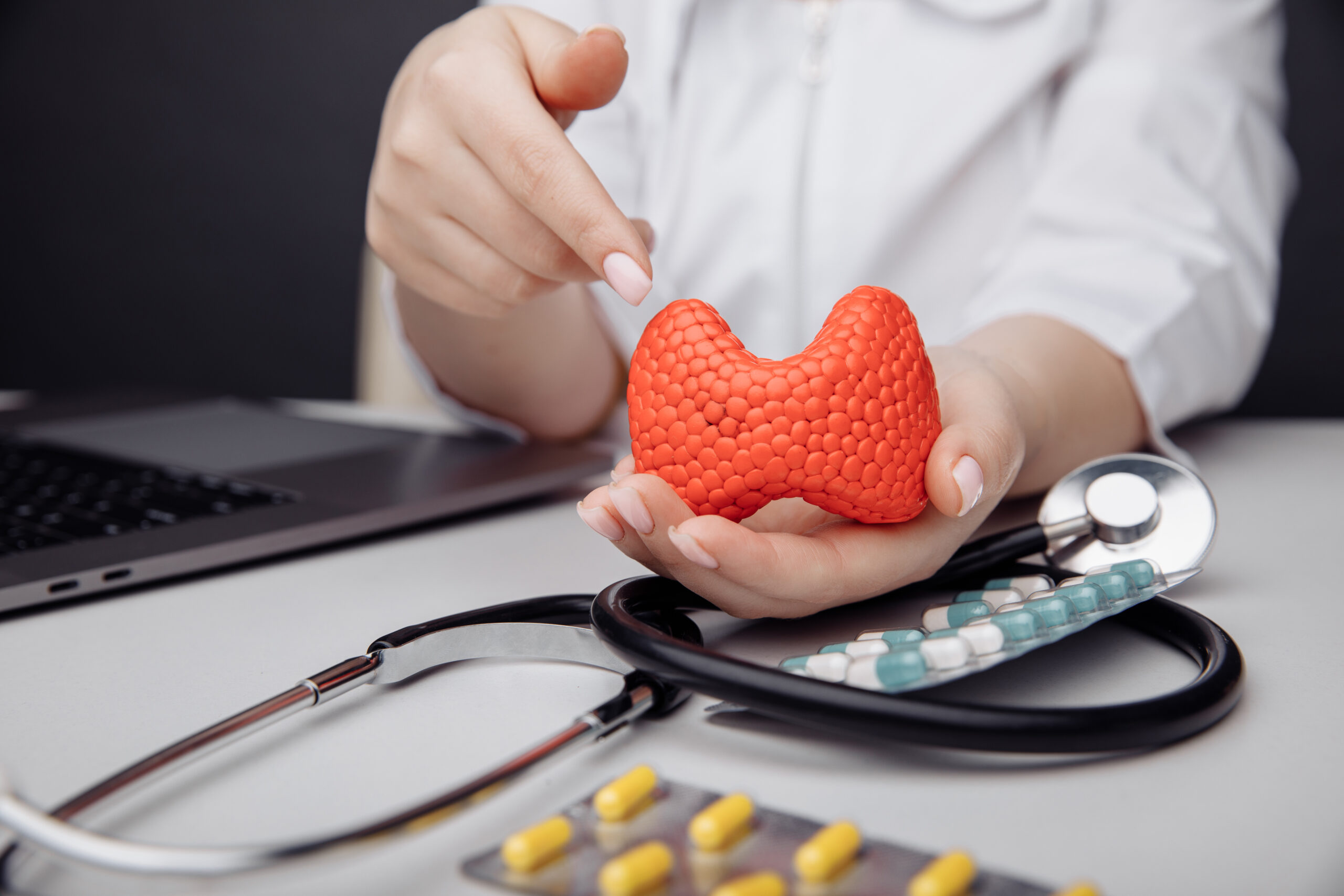
The thyroid is a small, butterfly-shaped gland at the front of your neck, but its influence on your health is huge. From regulating metabolism, energy, and heart rate to influencing mood, digestion and body temperature, a healthy thyroid is essential for overall well-being. Problems with this tiny gland can affect your quality of life, but the good news is that thyroid conditions are diagnosable, treatable, and manageable with proper care.
What is Thyroid Disease?
Thyroid disease refers to conditions that affect how much hormone your thyroid produces. These hormones are vital for keeping metabolism and other body functions in balance. The two most common thyroid disorders are:
1. Hypothyroidism (Underactive Thyroid):
When the thyroid produces too little hormone, metabolism slows down. Common symptoms include fatigue, weight gain, feeling cold, constipation, dry skin, and mood changes.
2. Hyperthyroidism (Overactive Thyroid):
When the thyroid produces too much hormone, metabolism speeds up. This can lead to weight loss, rapid heartbeat, anxiety, tremors, and heat intolerance.
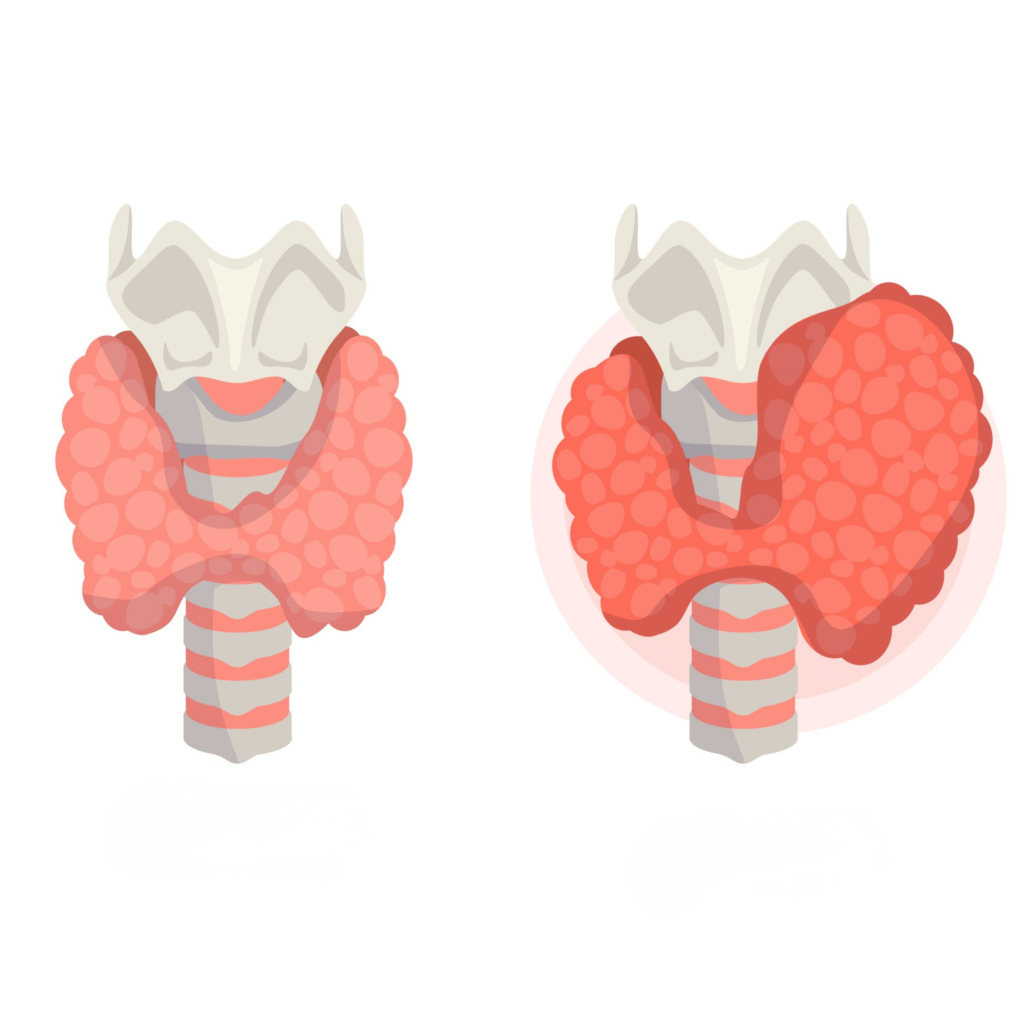
Both conditions can significantly impact daily life, but with early detection and proper treatment, most people live full, active lives.
Who Can Get Thyroid Problems?
Thyroid disorders can affect people of all ages, but certain groups are at higher risk.
| Age Group | Risk & Notes |
| Children & Teens | Less common, but congenital thyroid issues or autoimmune conditions may appear. |
| 20–40 years | More likely in women, often related to autoimmune conditions like Hashimoto’s or Graves’ disease. |
| 40–60 years | Risk increases, especially for women; hypothyroidism becomes more common. |
| 60+ years | Thyroid hormone imbalances are frequent, requiring careful monitoring. |
Other risk factors include: family history of thyroid disease, autoimmune disorders, iodine imbalance, certain medications, and past neck radiation.
Common Symptoms to Watch
Thyroid problems can develop slowly, so early signs may be subtle. Watch for:
- Unexplained fatigue or low energy
- Weight changes (gain or loss)
- Sensitivity to heat or cold
- Rapid or slow heartbeat
- Mood changes, anxiety, or depression
- Changes in skin or hair texture
- Neck swelling or goiter-like feeling
If you notice any of these symptoms, a simple blood test to check TSH, T3, and T4 levels is often the first step in diagnosis.
Causes of Thyroid Problems
Several factors can contribute to thyroid dysfunction:
- Autoimmune conditions (Hashimoto’s for hypothyroidism; Graves’ disease for hyperthyroidism)
- Genetics and family history
- Hormonal imbalances
- Iodine deficiency or excess
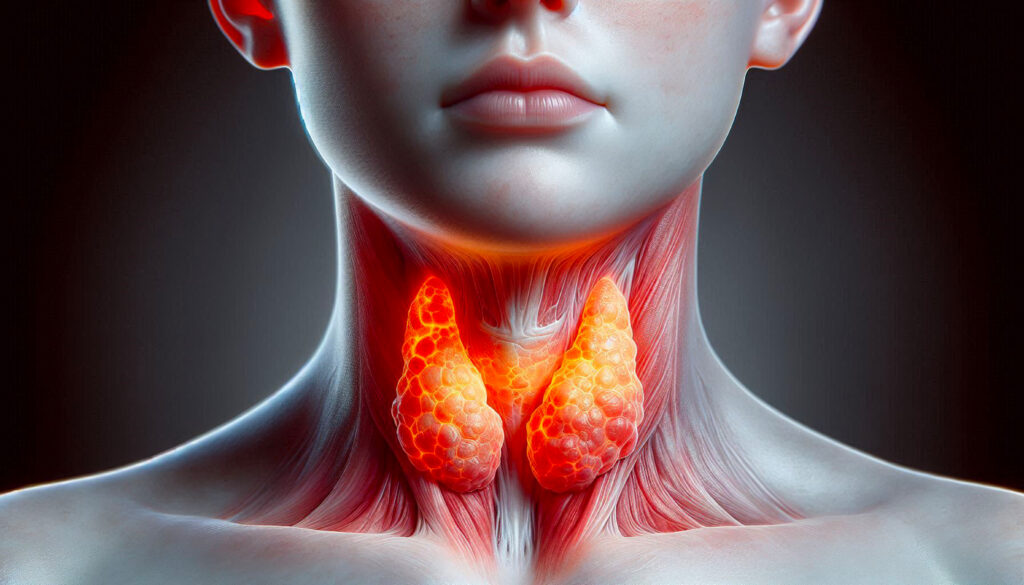
Effects of certain medications or neck radiation
Diagnosis and Treatment
Thyroid disorders are primarily diagnosed through blood tests. Treatment depends on the type and severity of the condition:
- Medication to regulate hormone levels
- Lifestyle changes and nutritional support
- Regular monitoring to maintain hormone balance
With proper care, most patients manage their thyroid effectively and maintain a healthy, active life.
Lifestyle and Wellness Tips for Thyroid Health
Supporting thyroid health goes beyond medication. Consider these habits:
- Maintain a balanced diet with sufficient nutrients
- Schedule regular check-ups, especially if you have a family history
- Manage stress and ensure quality sleep
- Track changes in energy, weight, or mood
Avoid self-prescribing supplements – consult your healthcare provider
Integrated Thyroid Care at Rashtrotthana Hospital
At Rashtrotthana Hospital, we offer comprehensive thyroid care that combines modern diagnostics with Ayurvedic support. Our approach ensures:
- Accurate thyroid evaluations and expert medical guidance
- Evidence-based treatment plans tailored to your needs
- Optional Ayurvedic therapies to support hormonal balance, metabolism and overall well-being
This integrated care model addresses both symptoms and the person behind the condition, helping patients achieve long-term wellness.
Take Action for Your Thyroid Health
Your thyroid affects your energy, emotions and daily life. When it’s out of balance, even simple tasks can feel overwhelming. Early diagnosis and regular care can make all the difference.
Call 080 6923 9999 to book your appointment
Leave a Reply