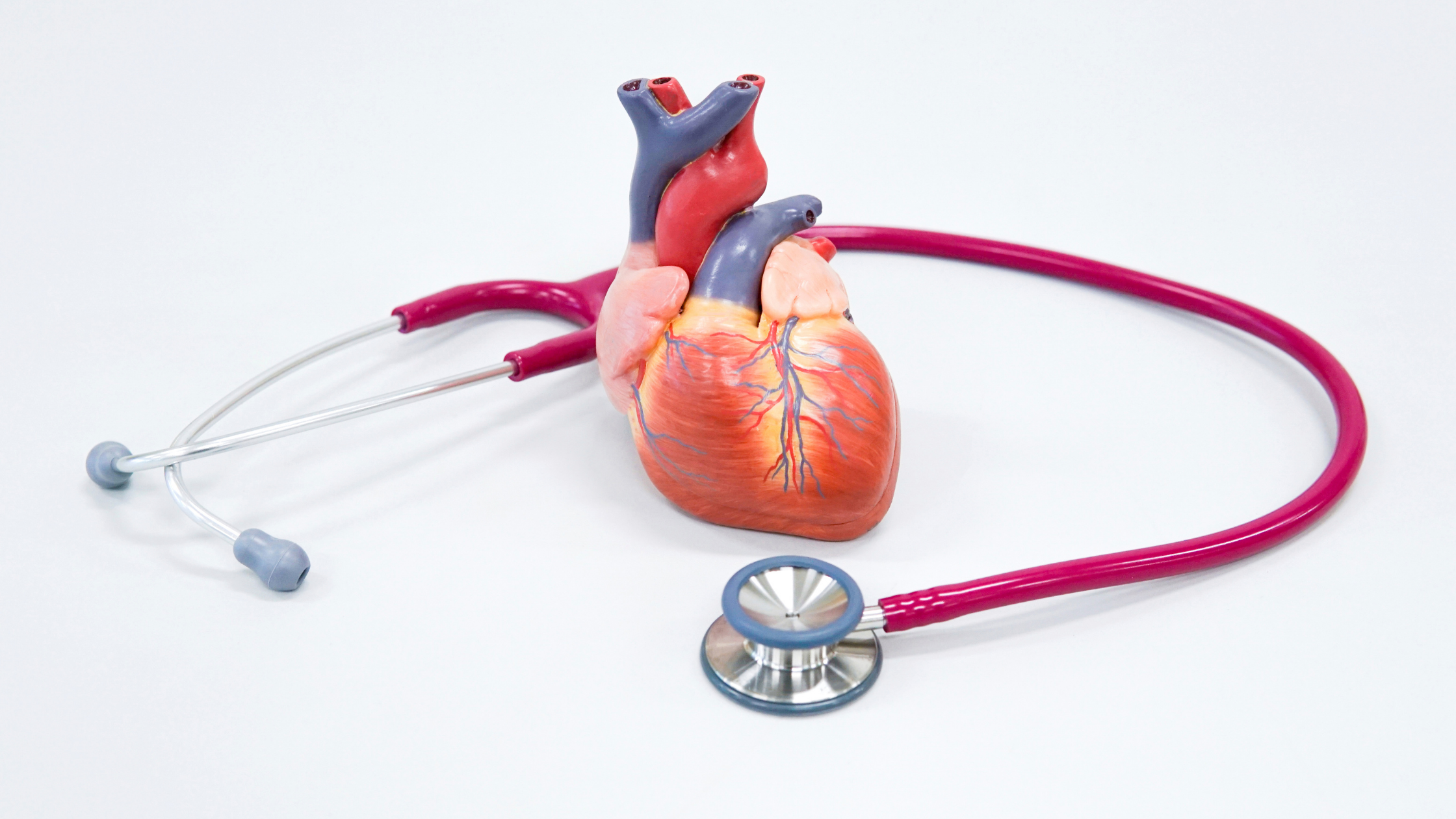
Heart health is undeniably critical – after all, it’s your body’s engine room. As benign as a slight heart twitch or occasional palpitation may seem, they can signal deeper issues that require attention. In this article, we’ll delve into why regular heart health check-ups are not just advisable but essential, the key aspects involved in these check-ups and how they could potentially be life-saving.
Introduction to Heart Health Check-ups
The heart, a muscular organ roughly the size of a fist, is fundamental in pumping blood throughout your body, delivering oxygen and nutrients, and removing toxins. But just like any engine, its performance can deteriorate due to various factors such as age, lifestyle or even genetics. Regular heart check-ups can help catch problems early, significantly increasing the chances of effective treatment and prevention of heart disease.
Understanding What Happens During a Heart Check-Up
Heart health check-ups are comprehensive evaluations that are crucial in assessing your cardiovascular health. But what exactly happens during these check-ups?
Assessing Medical History
- Family and Personal Medical History: This part involves discussing any history of cardiovascular disease in your family and any personal health issues that could affect your heart such as diabetes, high cholesterol, or high blood pressure.
Physical Examination
- Blood Pressure: High blood pressure is a notorious silent killer and a major risk factor for heart disease.
- Cholesterol Levels: High levels of bad cholesterol can lead to plaque buildup in arteries, increasing heart attack risks.
- Body Weight: Obesity is directly linked to heart disease.
Diagnostic Tests
Several diagnostic tests might be suggested based on your risk profile:
- Electrocardiogram (ECG): This test records the electrical activity of the heart and helps identify any disturbances in the heart’s rhythm or structure.
- Echocardiogram: This ultrasound test visualizes the heart’s movement, assessing its structure and function.
- Stress Tests: These determine how well a heart functions under physical stress, looking for possible coronary artery issues.
Lifestyle Factors Affecting Heart Health
Your everyday choices play a pivotal role in heart health.
Diet and Nutrition:
Adopting a heart-healthy diet can be a potent deterrent against cardiovascular disease. Engage in meals rich in fruits, vegetables, lean proteins and whole grains while limiting saturated fats, sugars and salt.
Physical Activity:
Regular exercise helps maintain a healthy weight, lowers cholesterol, and stabilizes blood pressure. Aim for at least 150 minutes of moderate-intensity aerobic activity each week.
Smoking and Alcohol:
Smoking cessation and moderating alcohol intake are critical. Smoking directly damages the cardiovascular system and excessive drinking can lead to weight gain and increased heart strain.
The Emotional and Psychological Aspects:
Stress management is also a crucial component of heart health. Chronic stress can lead to behaviors and factors that increase heart disease risk like high blood pressure and cholesterol levels, and irregular heart rhythms.
Conclusion: Take Heart, Take Control
Remember, the state of your heart health significantly influences your quality of life. Regular heart check-ups provide a deep insight into your cardiovascular condition and reveal risk factors before they evolve into major health issues. It’s not just about adding years to your life, but life to your years.
Taking control of your heart health is both a powerful and empowering step towards a longer, healthier life. Schedule your next heart health check-up today – it could be the most important appointment you ever make.
Leave a Reply