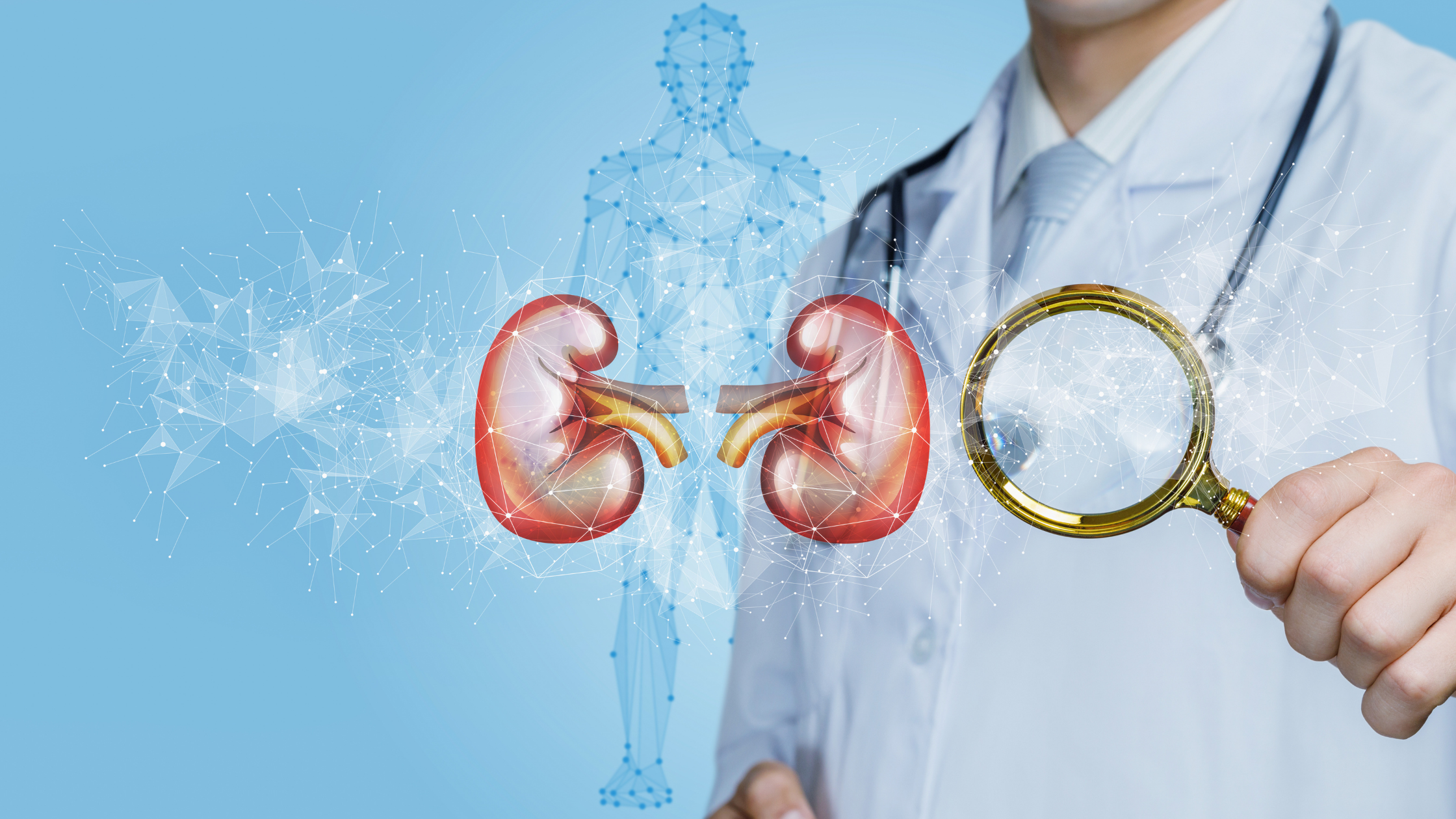
Kidneys, often referred to as the body’s waste managers, are essential for maintaining good health. These bean-shaped organs filter out toxins and excess fluids from our blood. A failure in kidney function can lead to severe health issues, including life-threatening conditions. Let’s delve into the relationship between kidney health and overall well-being, offer practical tips for maintaining kidney health, and highlight the benefits of making kidney care a health priority.
How Do Kidneys Impact Overall Health?
Understanding the broader impact of kidney health can motivate us to take better preventative measures. Here are key areas where kidneys influence general health:
1. Detoxification and Waste Removal
Our kidneys are vital in filtering waste from the blood and expelling it from the body through urine. Imagine your body’s internal environment: would you thrive in a polluted space? Similarly, an inability to efficiently remove waste can lead to the accumulation of toxins, causing various health issues.
Kidneys filter about 50 gallons of blood a day.
They remove urea, a byproduct of protein metabolism, along with excess salts and water, making sure our blood remains clean.
2. Regulating Blood Pressure
Healthy kidneys contribute significantly to maintaining a stable blood pressure. They produce renin, an enzyme that controls blood vessel constriction and fluid balance, which directly impacts blood pressure levels.
High blood pressure is both a cause and effect of kidney disease.
Regular monitoring and maintaining a balanced diet help in keeping blood pressure in check, promoting kidney health.
3. Balancing Electrolytes
Electrolytes like sodium, potassium, and phosphate are essential for nerve function, muscle contractions, and maintaining acid-base balance. Your kidneys regulate these electrolytes, ensuring the body’s homeostasis.
Hyperkalemia (high potassium levels) can lead to muscle weakness and heart problems.
Hyponatremia (low sodium levels) can cause nausea, headache, confusion and seizures.
Signs of Kidney Trouble:
Knowing the warning signs of potential kidney issues can help in early diagnosis and treatment:
1. Changes in Urination
Pay attention to any noticeable changes in urination patterns or appearance. This includes:
- Dark or foamy urine
- Frequent urination, especially at night
- Pain or difficulty while urinating
2. Swelling and Fluid Retention
The kidneys help in maintaining fluid balance. Signs of fluid retention, such as swelling in the legs, ankles, or face, can indicate an issue.
3. Persistent Fatigue
Kidneys produce erythropoietin, a hormone that stimulates red blood cell production. A sudden drop in its levels can lead to anemia, causing chronic fatigue.
Daily Habits to Promote Kidney Health
Maintaining kidney health isn’t as challenging as it might seem. Adopting a few simple daily habits can have a substantial impact:
1. Stay Hydrated
Water is crucial for kidney function. Staying well-hydrated helps in the efficient removal of toxins.
Aim for about 8-10 glasses of water a day.
2. Eat a Balanced Diet
A diet high in fruits, vegetables, and whole grains and low in sodium, sugar, and unhealthy fats can support kidney health.
Limit processed foods and avoid excessive high-salt snacks.
3. Regular Exercise
Physical activity helps in maintaining a healthy weight and blood pressure, both of which are crucial for kidney health.
Aim for at least 30 minutes of moderate exercise daily.
4. Avoid Over-the-Counter Pills
Long-term use of NSAIDs like ibuprofen can lead to kidney damage. Always consult with a healthcare provider before taking medications regularly.
Practical Tips for Kidney Health
Here are some specific steps to integrate into your routine:
- Regular Check-Ups: Especially if you have diabetes or hypertension, as these are major risk factors for kidney disease.
- Limit Alcohol and Quit Smoking: Both alcohol and smoking can have harmful effects on kidney health.
- Monitor Blood Sugar: If you have diabetes, keeping your blood sugar levels within the recommended range can prevent damage to your kidneys.
Conclusion:
Our kidneys do a lot of hard work behind the scenes, playing a big part in keeping us healthy. By understanding their importance and taking care of them, we can avoid many health problems. Simple habits and being a bit careful can make taking care of our kidneys an easy part of staying well.
At Rashtrotthana Hospital, our dedicated urology department is committed to providing comprehensive care for all kidney-related issues. Our team of experienced specialists offers advanced diagnostic and treatment options tailored to each patient’s needs. Whether you are dealing with kidney stones, infections, or chronic kidney disease, we are here to support your journey to better health.
For more information on kidney health and to schedule a consultation with our experts, visit Rashtrotthana Hospital. Prioritize your kidney health today for a healthier tomorrow. Your well-being is our priority.
Leave a Reply