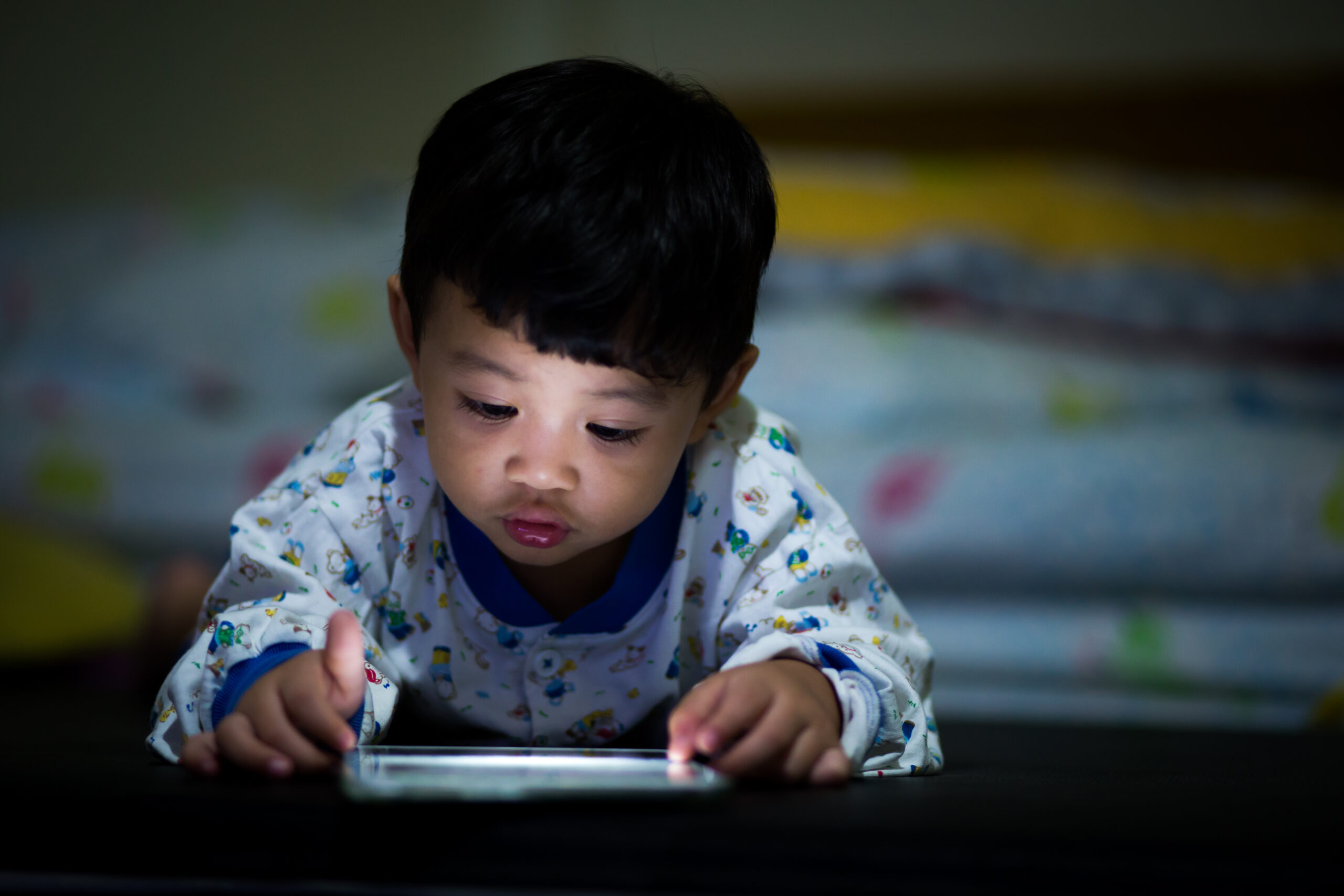
Why Screen Time Matters
In today’s digital world, screen usage among children is steadily increasing. Studies reveal that children between 8 to 12 years of age spend 4 to 6 hours a day on screens, while teenagers use screens for up to 9 hours daily. Prolonged screen time has been linked to several health concerns. For instance, the risk of childhood myopia increases by 21% with every additional hour spent on screens.
Screens can either be a hand-held device or a distant device (TV, Mobile, iPad)Research also indicates that over 60% of children aged 6 to 17 exceed the recommended screen-time limit of two hours per day. Through this blog, our best paediatric experts at Rashtrotthana Hospital highlight the effects of screen time on children and offer practical advice to help parents manage screen usage effectively.
Excessive digital screen use can negatively affect a child’s physical health, emotional well-being and cognitive development. Common issues include poor sleep, reduced attention span and an increased risk of weight gain. Children may also experience difficulties in socialising due to reduced face-to-face interactions.
While educational content and digital tools can be beneficial, excessive exposure to entertainment media can hinder concentration and creativity. Striking a balance between screen time and other activities such as outdoor play, reading and hobbies is essential. Parents play a vital role in setting healthy boundaries and encouraging responsible digital habits.
Recommended Screen-Time Guidelines by Age
Our paediatric team at Rashtrotthana Hospital recommends the following screen-time limits for healthy development:
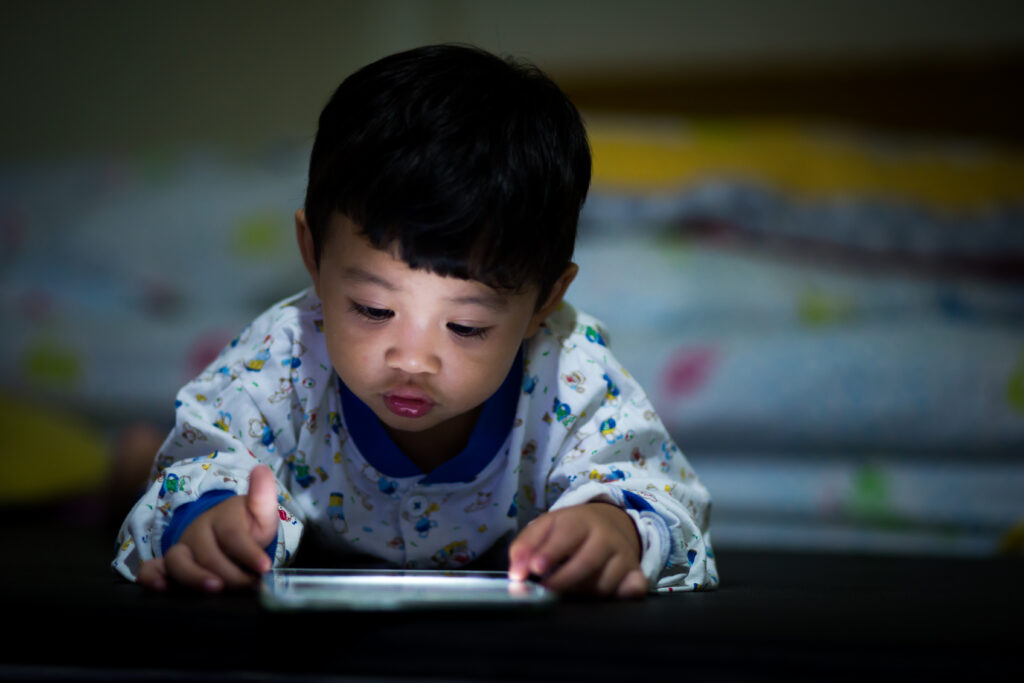
Infants (0-2 years): Should not be exposed to any screen time. Screen media should not be used to facilitate feeding or to calm a crying infant.
Toddlers (2-5 years): Limit screen time to not more than 30mins/session and not more than 2 sessions per day. Prioritize educational content and co-viewing with a parent. Excessive screen exposure at this age may impact attention span and social development.
School-age Children (6-12 years): Restrict recreational screen time to no more than two hours daily. Choose content that encourages interaction and creativity. Encourage outdoor activities, reading and family time to maintain balance. Co-view and monitor use of digital media by children to ensure appropriateness of content.
School-age Children (6-12 years): Restrict recreational screen time to no more than two hours daily. Choose content that encourages interaction and creativity. Encourage outdoor activities, reading and family time to maintain balance. Co-view and monitor use of digital media by children to ensure appropriateness of content.
Teenagers (13-18 years): Limit recreational screen time to two hours per day. Additional screen time for school work may be necessary. Excessive use is linked to poor sleep and increased anxiety. Establish screen-free zones, especially around bedtime.
Signs Your Child is Getting Too Much Screen Time
Watch for these signs that may indicate excessive screen use:
Sleep Difficulties: Trouble falling asleep or waking up tired can result from screen exposure before bedtime. Gadgets emit blue light which delays transition to sleep; quality of sleep.
- Reduced Focus: Inability to concentrate on schoolwork or conversations.
- Mood Changes: Irritability or frustration when screens are taken away.
- Disinterest in Other Activities: Lack of enthusiasm for outdoor play or reading.
- Declining Academic Performance: Difficulty keeping up with studies and assignments.
- Physical Complaints: Frequent headaches, eye strain, or poor posture.
Social Withdrawal: Preferring screens over interacting with friends or family.

Age restriction for social media platforms:
Facebook – 13 Years
WhatsApp – 16 Years
YouTube – 13 Years with supervision, 18 Years without supervision
Instagram – 13 Years
If you notice any of these behaviours, it’s important to take steps to reduce screen time and reintroduce balanced activities.
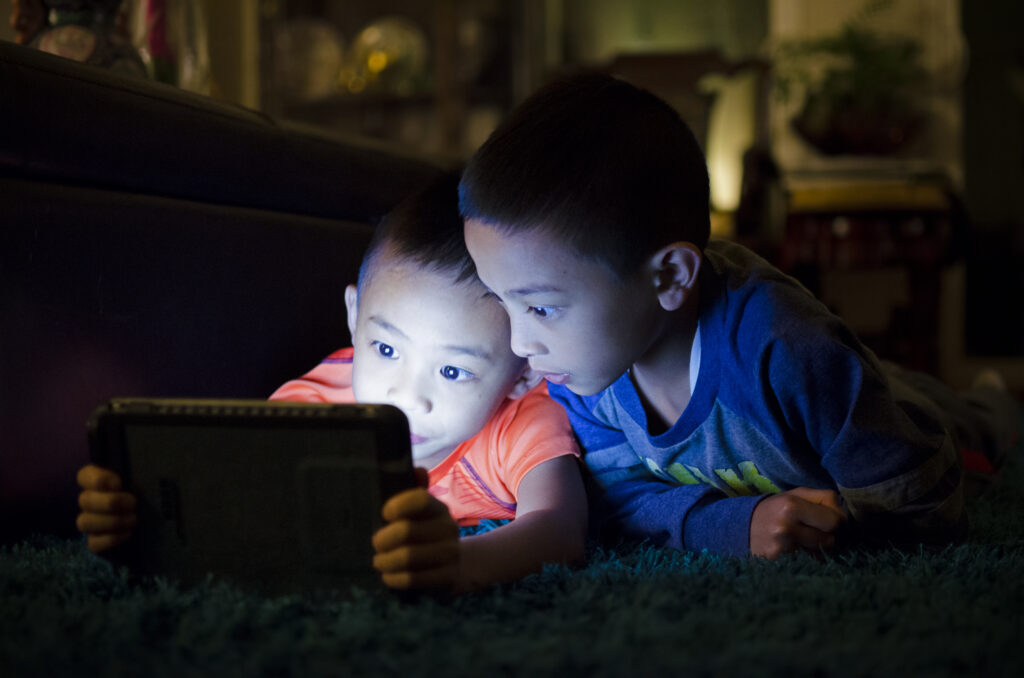
Practical Tips to Manage Screen Time
Here are simple and effective ways to manage your child’s screen habits:
- Set Clear Limits: Establish rules for daily screen time based on age.
- Create Screen-Free Zones: Keep devices out of bedrooms and dining areas.
- Be a Role Model: Limit your own screen use to set a positive example.
- Encourage Offline Activities: Promote sports, crafts, reading and quality family time.
- Choose Educational Content: Select content that supports learning and creativity.
- Establish Tech-Free Hours: Set fixed times for digital detox, especially before bed.
- Have Open Discussions: Talk to your child about the impact of screen time and involve them in rule-making.
Monitor Content: Check what your child is watching and ensure online safety.
Screen Time and Sleep: How to Avoid Disruptions
Sleep plays a crucial role in a child’s growth and mental health. Excess screen time—especially before bed- can interfere with sleep by suppressing melatonin due to blue light exposure. Stimulating content can also make it harder for children to relax before bedtime.
Tips to promote better sleep:
- Set a Screen Curfew: Turn off screens at least one hour before sleep.
- Introduce a Calming Routine: Engage in reading or quiet play before bed.
- Keep Bedrooms Screen-Free: Avoid placing TVs or tablets in sleeping areas.
- Use Night Mode: Activate blue-light filters if screen use is unavoidable. No screentime
Encourage Physical Activity: Regular exercise during the day helps improve sleep.

Cyber Regulations to reduce Screen Time in Other Countries
Taiwan: banned gadgets < 2 years of age, Teenagers- limits screentime to a reasonable time. Parents are legally obliged to limit screentime.
South Korea: 10pm-6am, no access to online games for children. China suggests only 8 minutes of screentime for children below 8years.
Conclusion
Balancing screen time is essential for your child’s overall well-being. At Rashtrotthana Hospital, our paediatricians believe that moderation and mindful use of digital devices can support healthy development. Parents are encouraged to set clear boundaries, provide engaging alternatives and lead by example. With the right approach, children can enjoy the benefits of technology while maintaining a healthy and active lifestyle.
Frequently Asked Questions (FAQs)
1. How much screen time is safe for my child daily?
Screen time recommendations vary by age. For children under 2 years, screen time should be avoided except for video calls. Children aged 2 to 5 years should be limited to one hour per day of high-quality content. Kids above 6 should have consistent limits, ideally under two hours a day for recreational use, along with plenty of time for sleep, physical activity and face-to-face interactions.
2. Can screen time delay speech and language development?
Yes, excessive screen time can delay language development, especially in younger children. Maximum language development happens between 1 and half – 3 years of age. Passive screen exposure may reduce the amount of verbal interaction a child receives, which is critical for developing vocabulary and communication skills.
3. Does screen time cause behavioural issues in children?
Extended screen exposure has been linked to behavioural problems such as irritability, attention difficulties and reduced emotional regulation. Children may also show signs of dependency, mood swings frustration or aggression when asked to stop using screens.
4. Can screen time affect academic performance?
Yes. Overuse of digital devices can lead to decreased concentration, poor time management and lower academic performance. It may also reduce the time children spend on reading, completing homework, or participating in extracurricular activities.
5. What are the physical effects of excessive screen time?
Prolonged use of screens can lead to eye strain, headaches, poor posture, neck and back pain, and even early signs of myopia (short-sightedness). Reduced physical activity due to screen use may also increase the risk of obesity and related health conditions.
6. What is digital eye strain and how can I prevent it in my child?
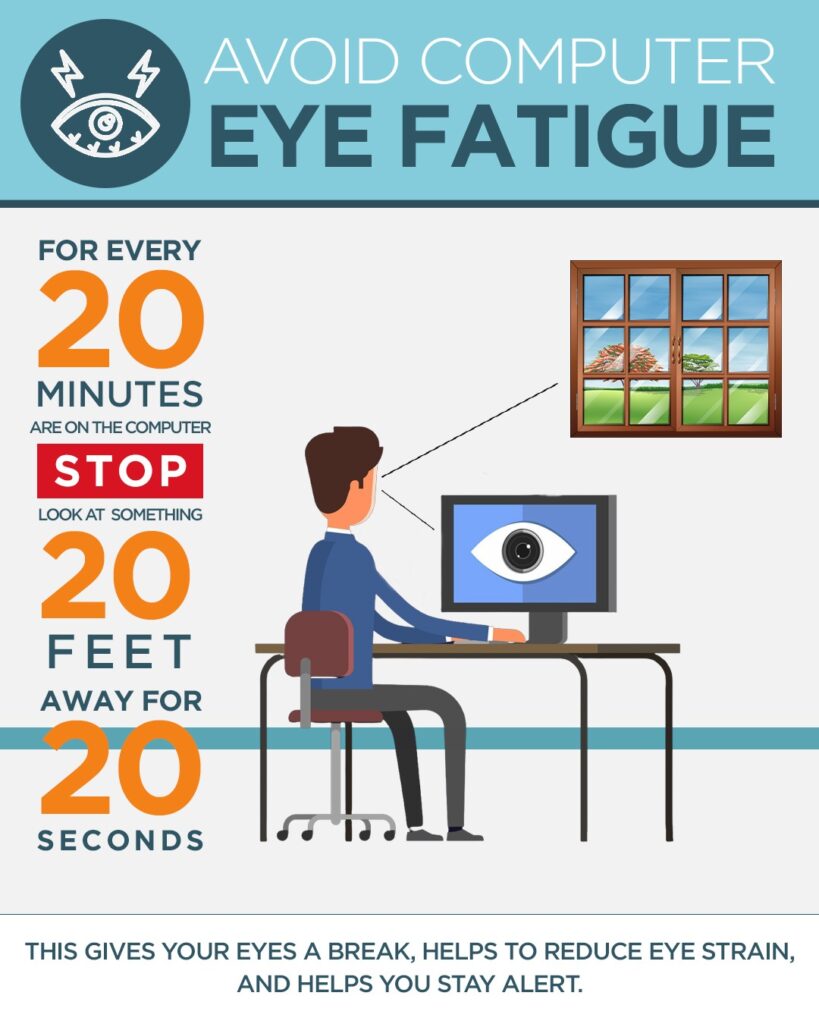
Digital eye strain refers to discomfort experienced after looking at screens for long periods. Symptoms include dry eyes, blurred vision and fatigue. To prevent this, encourage the 20-20-20 rule: every 20 minutes, look at something 20 feet away for at least 20 seconds. Also, maintain proper lighting and screen distance.
7. Is educational screen content better than entertainment content?
Educational content can be beneficial when age-appropriate and interactive, especially when viewed together with parents who can explain and engage in discussion. However, even educational screen time should be balanced with real-life activities like reading, playing and socialising.
8. How can I encourage my child to reduce screen time?
Involve your child in setting screen limits, model good screen habits yourself and introduce engaging offline activities like sports, art, storytelling or family time. Creating screen-free zones at home, especially during meals and before bedtime, is also effective. Current smartphone penetration rate in India is 65%, its expected to go up by 90% by 2050. Children younger than 2 years learn best from exploring the world around them and by engaging in physical activity. They have a hard time understanding what they are viewing on screens.
Leave a Reply