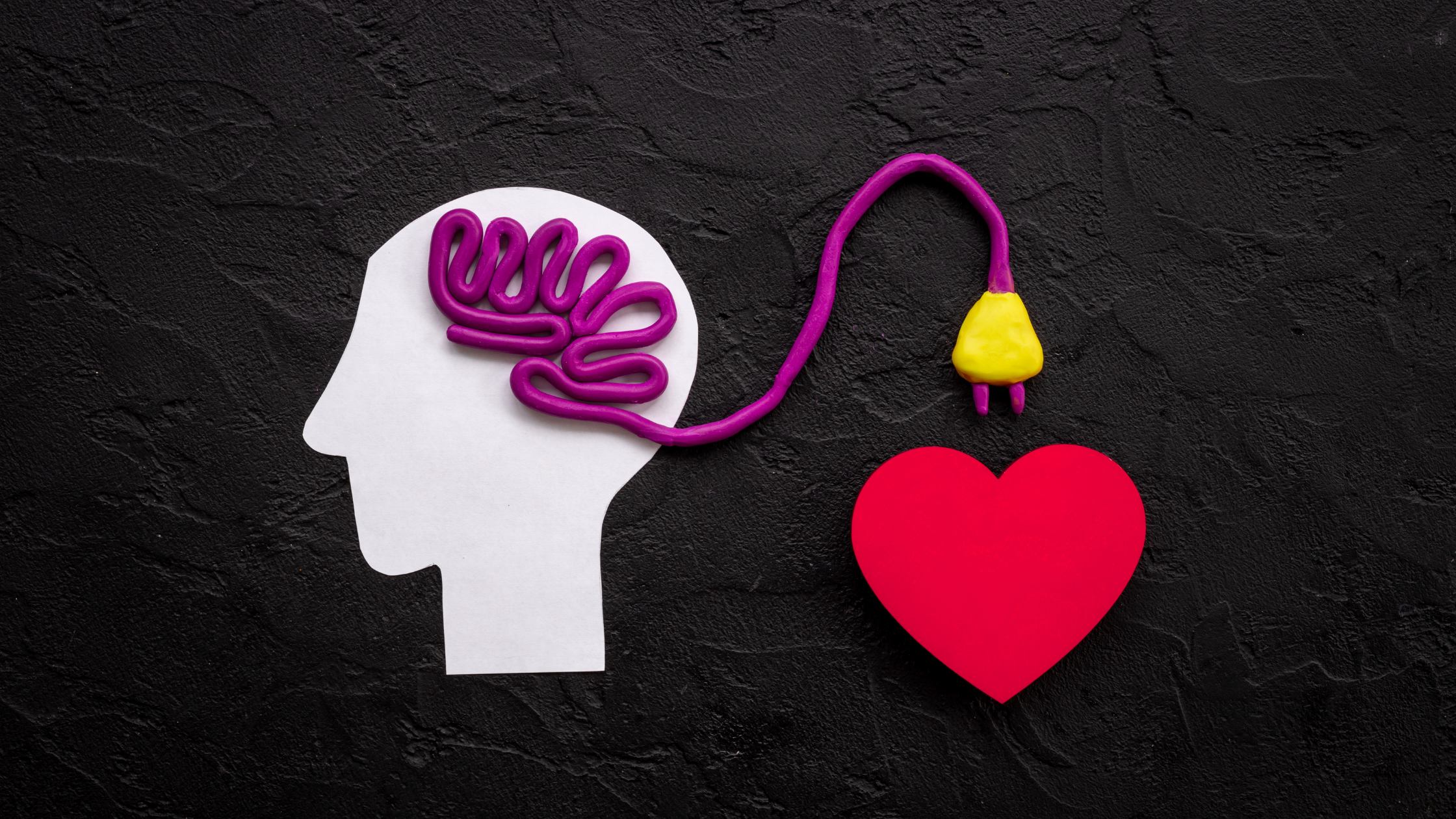
Do you ever feel like your heart skips a beat when you’re stressed? It’s not just a figure of speech; there could be a real link between the stress you feel and the health of your heart. In today’s fast-paced world, where work deadlines, personal obligations, and global crises often overwhelm us, understanding this connection is more important than ever. Let’s dive into how stress can influence heart attack risk and what we can do about it.
What Happens When We’re Stressed?
When faced with stress, our body’s ‘fight or flight’ response kicks in. This primal reaction releases a flood of hormones, including adrenaline and cortisol, which prepares our bodies to face an immediate threat.
The Immediate Effects on Your Heart
- Increased Heart Rate: Adrenaline causes the heart to beat faster.
- Elevated Blood Pressure: Blood vessels constrict to send blood to major muscle groups and essential organs.
Each of these responses is beneficial in the short term, helping us react swiftly to challenges. However, if stress becomes chronic, it can lead to serious health repercussions.
Chronic Stress and Heart Disease: A Risky Connection
Chronic stress is like having your body’s alarm constantly ringing. Over time, this can seriously harm your health, particularly your cardiovascular system.
How Stress Translates to Heart Risk
- Persistent High Blood Pressure: Continuous high blood pressure (hypertension) can cause damage to artery walls.
- Irregular Heart Rhythms: Known medically as arrhythmias, these can increase the risk of a heart attack.
- Poor Habits: Stress often leads us to adopt unhealthy habits such as smoking, inactive lifestyle, and overeating.
The link between stress and heart attack is primarily about how your responses to stress – both biological and behavioral – strain your heart over time.
Managing Stress for Heart Health
Acknowledging the impact of stress on your heart is the first step. The next is taking proactive steps to manage that stress.
Everyday Stress Management Techniques
- Regular Exercise: Activities like brisk walking or yoga can lower blood pressure and stress levels.
- Mindfulness and Meditation: These practices help calm the mind, reducing the effects of stress.
- Adequate Sleep: Aim for 7-9 hours of sleep per night to help your body recover from daily stresses.
Seeking Professional Help
If stress becomes overwhelming, seeking help from a therapist or counselor can be beneficial. They can provide strategies to handle stress better, reducing your overall risk.
Conclusion:
Stress isn’t just a state of mind; it’s a measurable and impactful risk factor for heart disease that intertwines closely with the physical health of our hearts. By understanding the pathways through which stress affects the cardiovascular system and actively employing strategies to mitigate these effects, we can better protect our heart health.
“Protect your peace to protect your heart.”
Embracing a life with managed stress is not about eliminating challenges, but about equipping oneself to deal with them effectively without letting them undermine our heart health. Isn’t it time to listen to our hearts and calm the storm within?Readers are encouraged to reflect on their stress levels and consider integrating stress-reduction techniques into their daily routines for better heart health. Start today, because every moment of peace is a victory for your heart.
Leave a Reply