
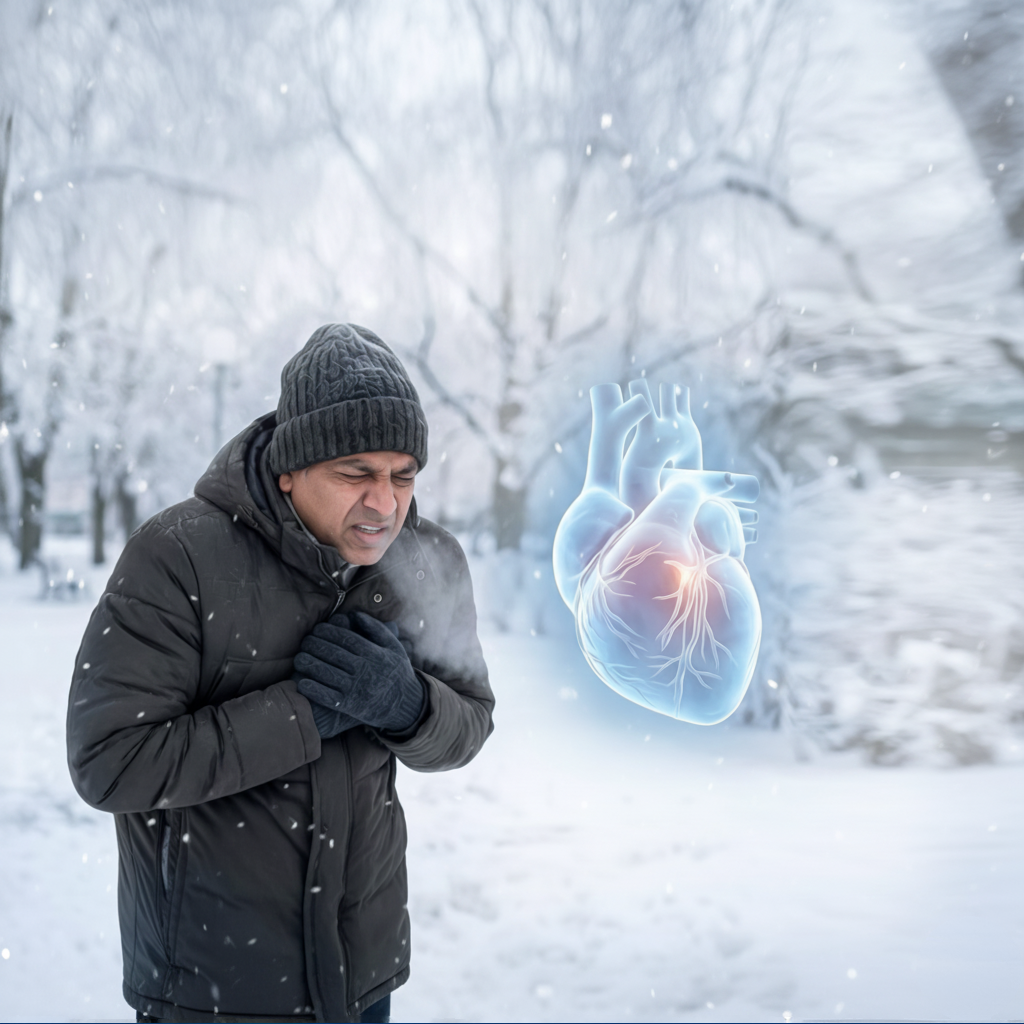
As the winter months approach, the drop in temperature can place unexpected stress on your heart. At Rashtrotthana Hospital, we emphasize that heart health requires extra attention during colder seasons. Understanding how winter affects your cardiovascular system can help you take proactive steps to protect yourself and your loved ones.
How Cold Weather Affects Your Heart?
How Cold Weather Affects Your Heart?
1. Blood vessels constrict
Exposure to cold causes your blood vessels to tighten in order to preserve body heat. While this is a natural response, it increases blood pressure and forces the heart to work harder. Individuals with hypertension or existing heart conditions are particularly at risk.
2. Increased risk of heart attacks
Research indicates that heart attack rates rise during winter. Cold-induced stress, thicker blood and reduced physical activity collectively contribute to this increase.
3. Blood becomes thicker
Low temperatures can cause your blood to become more viscous, raising the likelihood of clot formation. This can lead to heart attacks or strokes if preventive measures are not taken.
4. Lifestyle factors in winter
During colder months, habits such as comfort eating, decreased exercise, alcohol consumption and holiday stress can further strain the heart.
Who Should Take Extra Care
Winter can be particularly challenging for:
- Individuals with pre-existing heart disease
- Older adults
- People with high blood pressure or high cholesterol
- Smokers
- People with diabetes
- Those who are overweight or physically inactive
If you belong to any of these groups, Rashtrotthana Hospital advises taking extra precautions this winter.
How to Protect Your Heart This Winter

1. Dress appropriately
Layered clothing, especially covering the head, hands and feet, reduces the heart’s workload by keeping the body warm.
2. Stay active safely
Exercise benefits the heart, but sudden exertion in cold conditions – such as shoveling snow or brisk outdoor activity – can be dangerous. Warm up indoors before venturing outside.
3. Follow a heart-friendly diet
Opt for nutritious, warm foods. Limit salt, fried and processed snacks and include soups, vegetables and whole grains in your meals.
4. Limit alcohol and quit smoking
Alcohol may temporarily create a feeling of warmth but actually increases heat loss. Smoking constricts blood vessels, adding further strain on the heart.
5. Manage chronic conditions
Ensure that conditions such as hypertension, diabetes and high cholesterol are well-controlled. Take prescribed medications regularly and monitor your health.
6. Stay hydrated
Winter often reduces our sense of thirst. Dehydration can thicken blood and make the heart work harder, so adequate fluid intake is essential.
7. Recognize warning signs
Seek immediate medical attention if you experience chest pain, breathlessness, unexplained fatigue, jaw or arm pain or excessive sweating. These may indicate a serious heart problem.
Stay Heart-Healthy This Winter:
Winter is a season to enjoy, but it places unique demands on your heart. By taking simple precautions, you can protect your cardiovascular health. If you have a pre-existing heart condition or notice any warning signs, remember that your heart’s health is in your hands. At Rashtrotthana Hospital, our cardiology team is always here to support you. Early awareness, prevention and timely care can make all the difference in keeping your heart strong throughout the colder months.
Take care of your heart this winter – schedule a consultation with our cardiology team today!
Leave a Reply