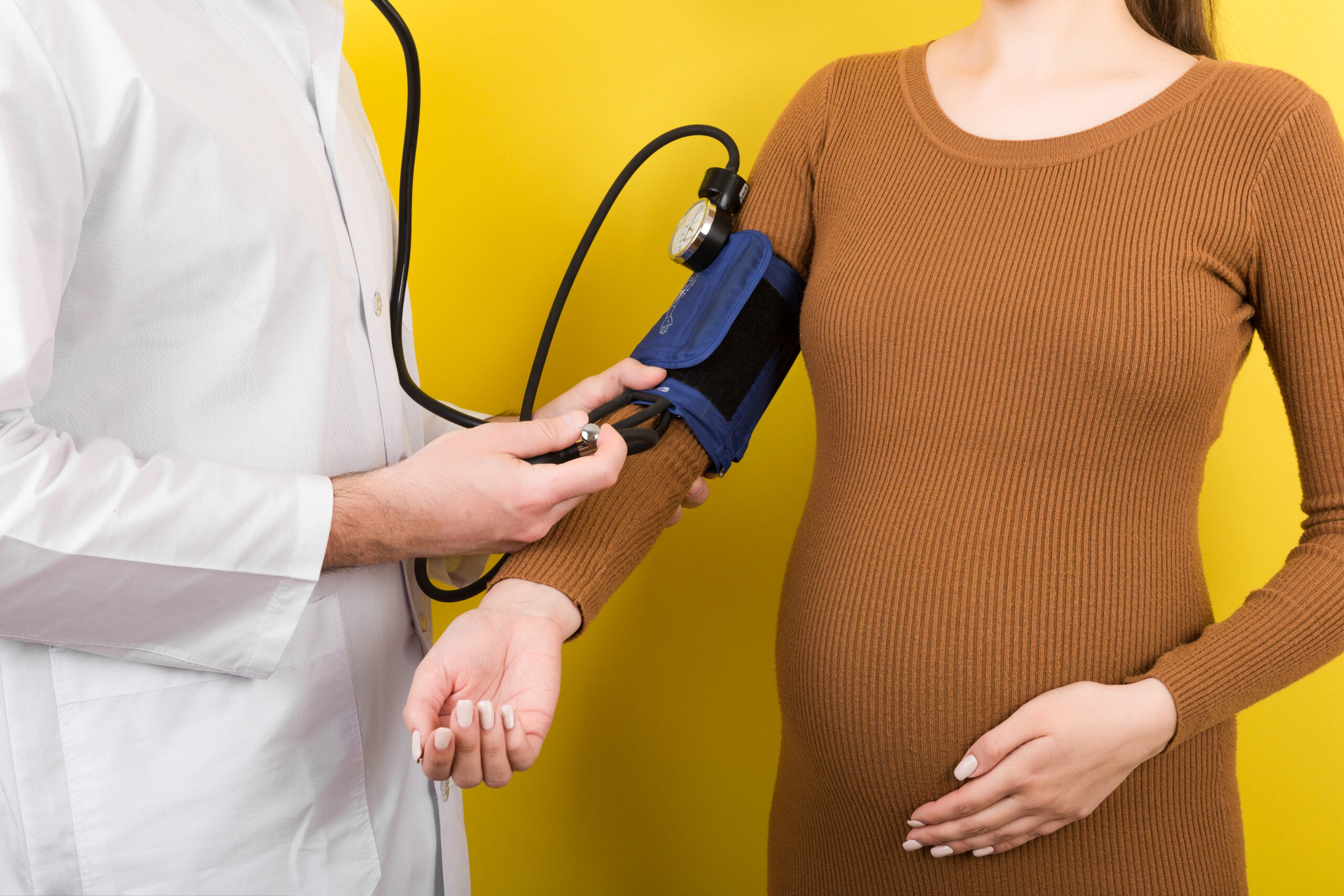
Hypertensive disorders in pregnancy, affecting approximately 5% to 10% of pregnancies, are a leading cause of maternal and fetal complications worldwide.
At Rashtrotthana Hospital, we are committed to providing expectant mothers with the knowledge and care necessary to navigate these challenges effectively.
Understanding Hypertensive Disorders in Pregnancy
Hypertensive disorders during pregnancy encompass several conditions characterized by elevated blood pressure:
- Chronic Hypertension: High blood pressure present before pregnancy or diagnosed before 20 weeks of gestation.
- Gestational Hypertension: Elevated blood pressure detected after 20 weeks of pregnancy without accompanying proteinuria.
- Preeclampsia: A severe condition arising after 20 weeks, marked by high blood pressure and signs of organ damage, particularly to the liver and kidneys.
- Eclampsia: An advanced form of preeclampsia leading to seizures, posing significant risks to both mother and baby.
Recognizing Symptoms
Hypertensive disorders may not always present noticeable symptoms, underscoring the importance of regular prenatal check-ups. Potential warning signs include:
- Persistent headaches
- Visual disturbances
- Swelling in extremities
- Sudden weight gain
- Upper abdominal pain
Causes and Risk Factors
Several factors can increase the likelihood of developing hypertensive disorders during pregnancy:
- First-time pregnancy
- Family history of hypertension or preeclampsia
- Obesity
- Multiple pregnancies (e.g., twins)
- Advanced maternal age
- Pre-existing medical conditions such as diabetes or kidney disease
Potential Complications
Unmanaged hypertensive disorders can lead to serious health issues:
- Preterm Birth: High blood pressure can necessitate early delivery.
- Placental Abruption: Premature separation of the placenta from the uterus, causing bleeding.
- Low Birth Weight: Insufficient blood flow can impede fetal growth.
- Organ Damage: Severe hypertension may harm the mother’s vital organs.
Diagnosis and Monitoring
Early detection is crucial. At Rashtrotthana Hospital, we employ:
- Regular blood pressure monitoring
- Urine analysis for protein detection
- Blood tests to assess organ function
- Ultrasound imaging to monitor fetal development
Management and Treatment
Treatment strategies are tailored to the severity of the condition:
- Lifestyle Modifications: Adopting a balanced diet and engaging in appropriate physical activity.
- Medications: Administering safe antihypertensive drugs to control blood pressure.
- Close Monitoring: Frequent prenatal visits to detect and address complications promptly.
- Hospitalization: In severe cases, inpatient care may be necessary for intensive monitoring.
- Timely Delivery: Early delivery might be recommended to safeguard the health of both mother and baby.
Preventive Measures
While not all hypertensive disorders can be prevented, certain practices can reduce risk:
- Maintaining a healthy weight
- Consuming a nutritious diet rich in essential nutrients
- Engaging in regular, doctor-approved physical activity
- Limiting salt intake
- Managing stress effectively
- Attending all scheduled prenatal appointments
Conclusion
Understanding and managing hypertensive disorders in pregnancy is vital for the health of both mother and child. At Rashtrotthana Hospital, our dedicated team provides comprehensive care and guidance to ensure a safe pregnancy journey. If you are pregnant or planning to conceive, we invite you to consult with our specialists for personalized support and expert advice.
Leave a Reply