
Vertigo is a common condition that causes a sensation of spinning or dizziness, making even simple daily activities feel overwhelming. While often linked to inner ear disorders, vertigo can also be triggered by stress and anxiety, which interfere with the body’s balance system. Many people experience dizziness or unsteadiness during periods of high stress, but few realize how deeply connected mental health and vertigo can be.
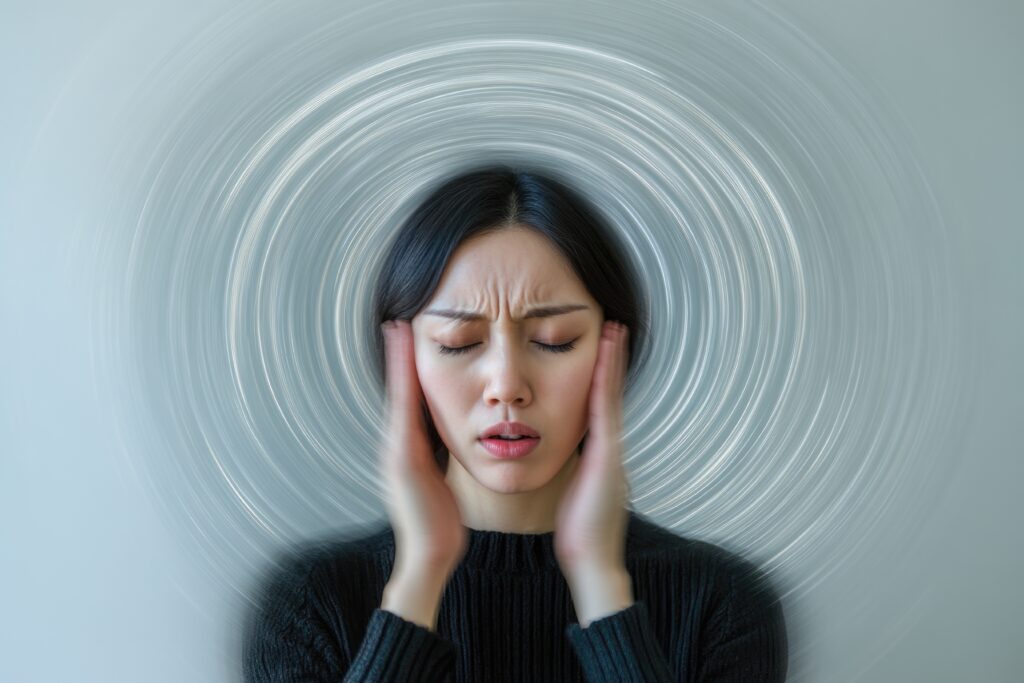

When the body is under stress, it responds in ways that can disrupt balance and coordination. Stress and anxiety can alter brain function, blood circulation and muscle tension, leading to episodes of dizziness or lightheadedness. Understanding this connection is key to managing vertigo effectively and preventing recurrent episodes.
The Link Between Stress, Anxiety and Vertigo
Stress and anxiety can significantly impact the vestibular system, the part of the inner ear responsible for maintaining balance. When stress levels rise, the body undergoes physiological changes that can disrupt this system, leading to dizziness, instability and vertigo-like sensations. Some key ways stress and anxiety contribute to vertigo include:


- Disrupting Inner Ear Function: Chronic stress can interfere with the vestibular system, causing episodes of dizziness.
- Hyperventilation and Oxygen Reduction: Anxiety often leads to rapid breathing, which decreases oxygen supply to the brain, affecting balance control.
- Muscle Tension and Circulation Issues: Stress-induced muscle tightness in the neck and shoulders restricts blood flow to the brain and inner ear, increasing the risk of vertigo.
- Blood Pressure and Adrenaline Surges: High stress levels trigger adrenaline release, altering blood pressure and heart rate, contributing to dizziness and imbalance.
Recognizing Stress-Induced Vertigo Symptoms
Patients experiencing stress-related vertigo may notice symptoms such as:
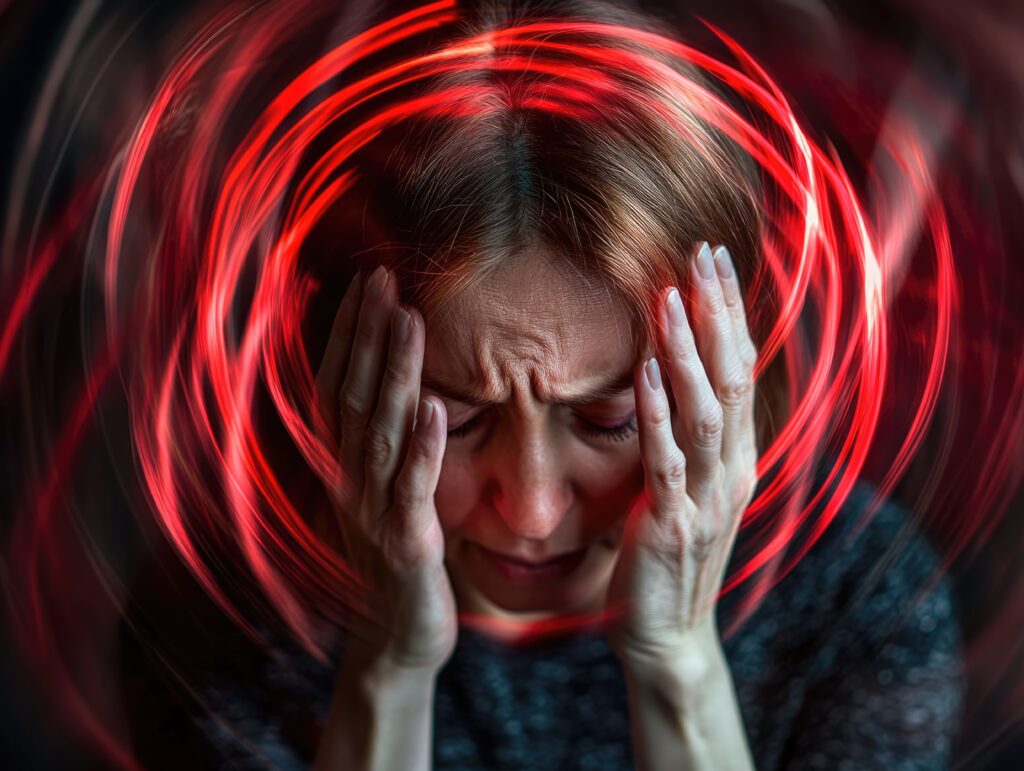
- Sudden dizziness or loss of balance
- Lightheadedness and fainting sensations
- Blurred vision and difficulty focusing
- Increased heart rate and excessive sweating
- A persistent feeling of spinning or motion
If you experience any of these symptoms frequently, it is essential to seek professional medical attention for a comprehensive evaluation.
Managing Stress-Related Vertigo at Rashtrotthana Hospital
At Rashtrotthana Hospital, our ENT specialists provide expert diagnosis and treatment for vertigo and balance disorders. Our approach focuses on addressing both physical and psychological triggers, ensuring a complete and effective management plan. Our Vertigo Clinic, led by Dr. Sunil Kumar C, offers specialized evaluation and treatment tailored to individual needs.
Treatment Approaches for Stress-Related Vertigo
- Vestibular Rehabilitation Therapy (VRT): Targeted exercises to strengthen the vestibular system and improve balance.
- Lifestyle and Dietary Adjustments: Maintaining hydration, reducing caffeine and nicotine intake and following a balanced diet.
- Relaxation Techniques: Incorporating meditation, deep breathing and mindfulness to lower stress levels.
- Medical Intervention: In cases where necessary, medications or physical therapy may be recommended to manage symptoms effectively.
Expert Care at Our Vertigo Clinic

Our Vertigo Clinic operates every Sunday from 11:00 AM to 1:00 PM, providing dedicated care for individuals struggling with vertigo and balance disorders. Our specialists use advanced diagnostic tools to assess vertigo causes accurately and design personalized treatment plans. Whether vertigo is linked to inner ear issues, stress or other medical conditions, our team ensures comprehensive and effective treatment.
If vertigo is affecting your daily life, early diagnosis and timely management can significantly improve symptoms and prevent complications. At Rashtrotthana Hospital, we are committed to providing the highest quality ENT care to help patients overcome vertigo and regain stability.

Leave a Reply