You’re in pain. It’s sharp, sudden, and confusing. Is it something you ate? Something serious? Is it your stomach… or your back… or both?
If you’re stuck wondering whether it’s a gallstone or a kidney stone, you’re not alone. They’re small — often just a few millimeters — but they can turn your day (or week) upside down. The tricky part? They often mimic each other in how they feel, but they come from totally different parts of your body.
Let’s break it down in a way that makes sense — and helps you know when to call for help.
First, What Are They?
Gallstones
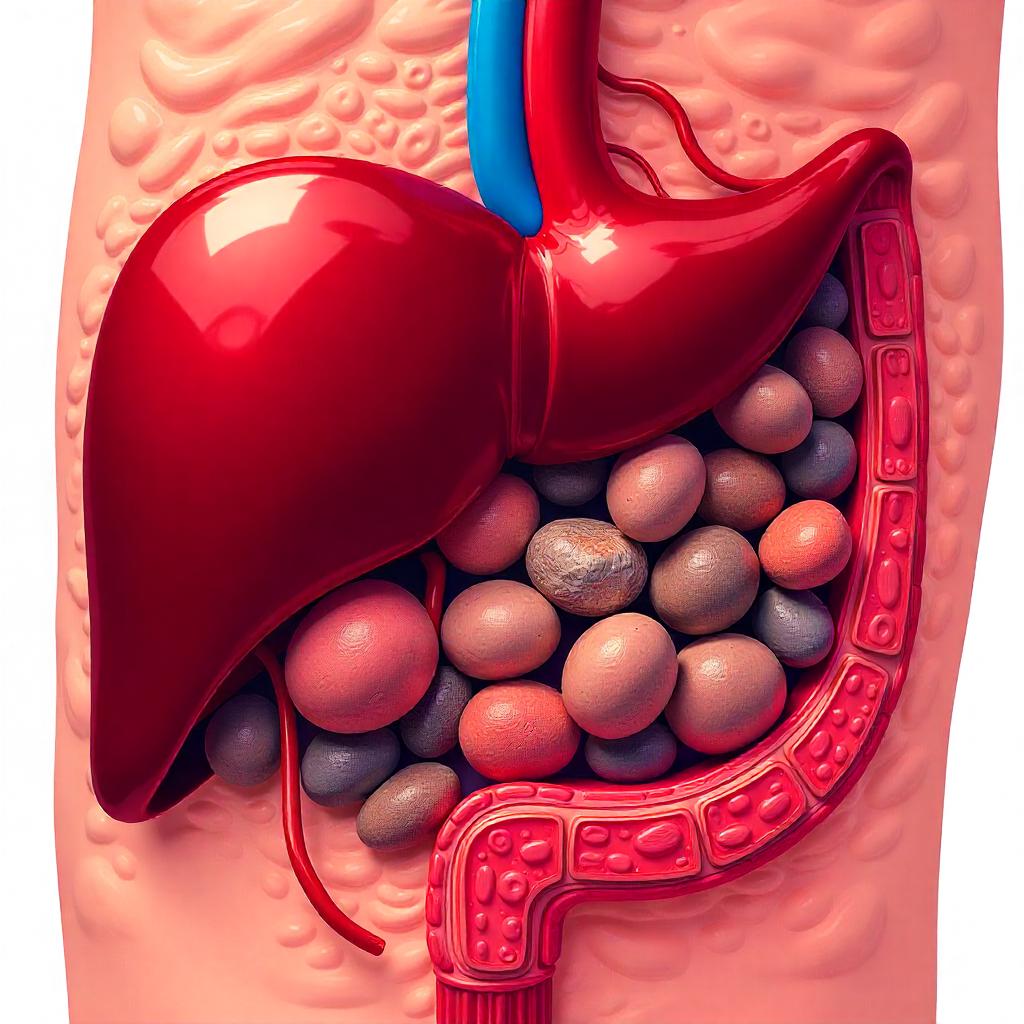
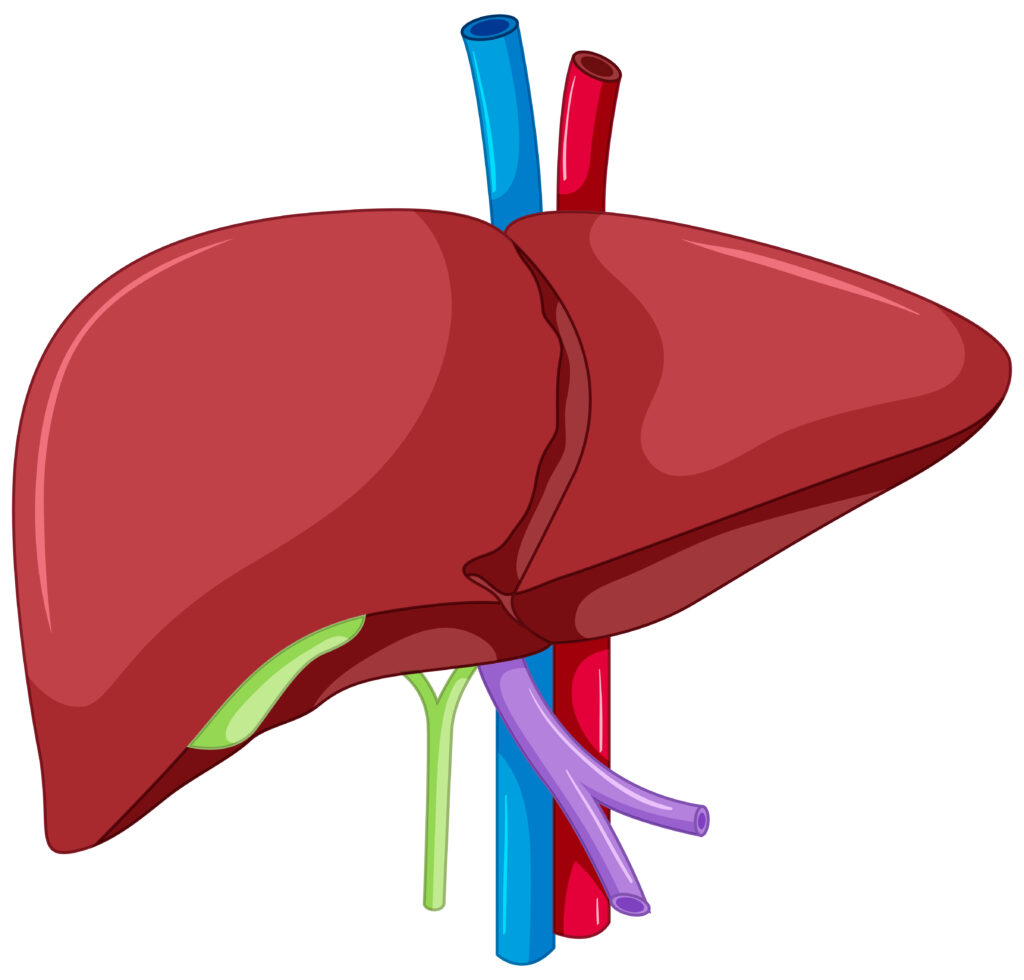
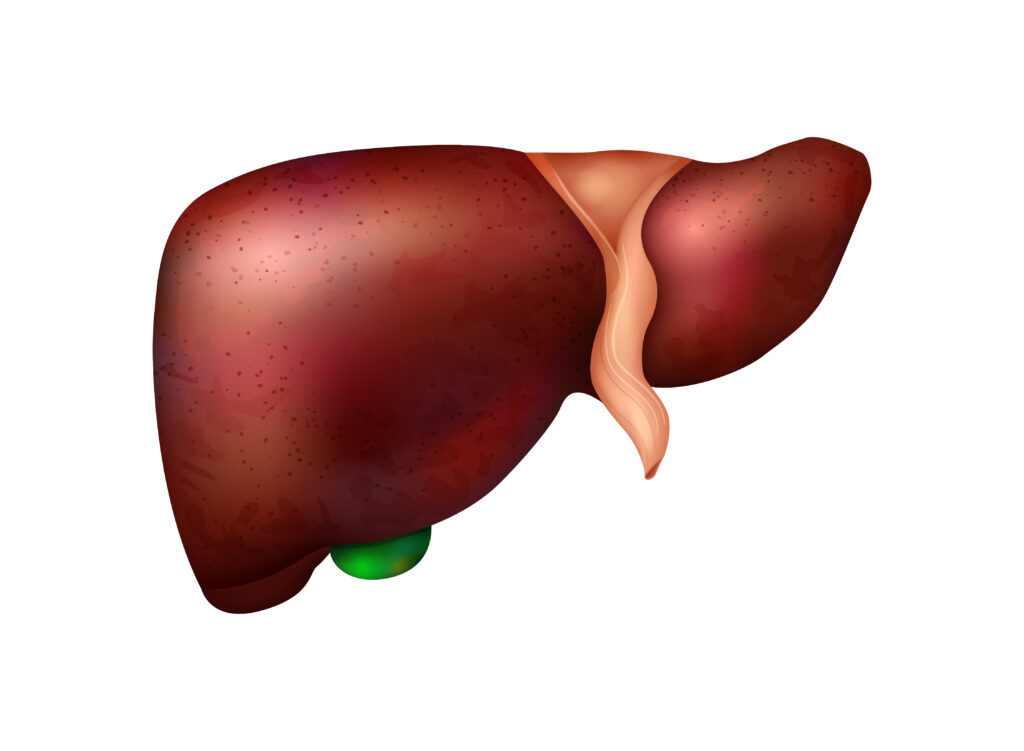
Gallstones form in your gallbladder, a small pouch under your liver that stores bile (a fluid that helps digest fat). These stones are usually made of cholesterol or bile salts that have hardened over time. They’re part of your digestive system.
Kidney Stones
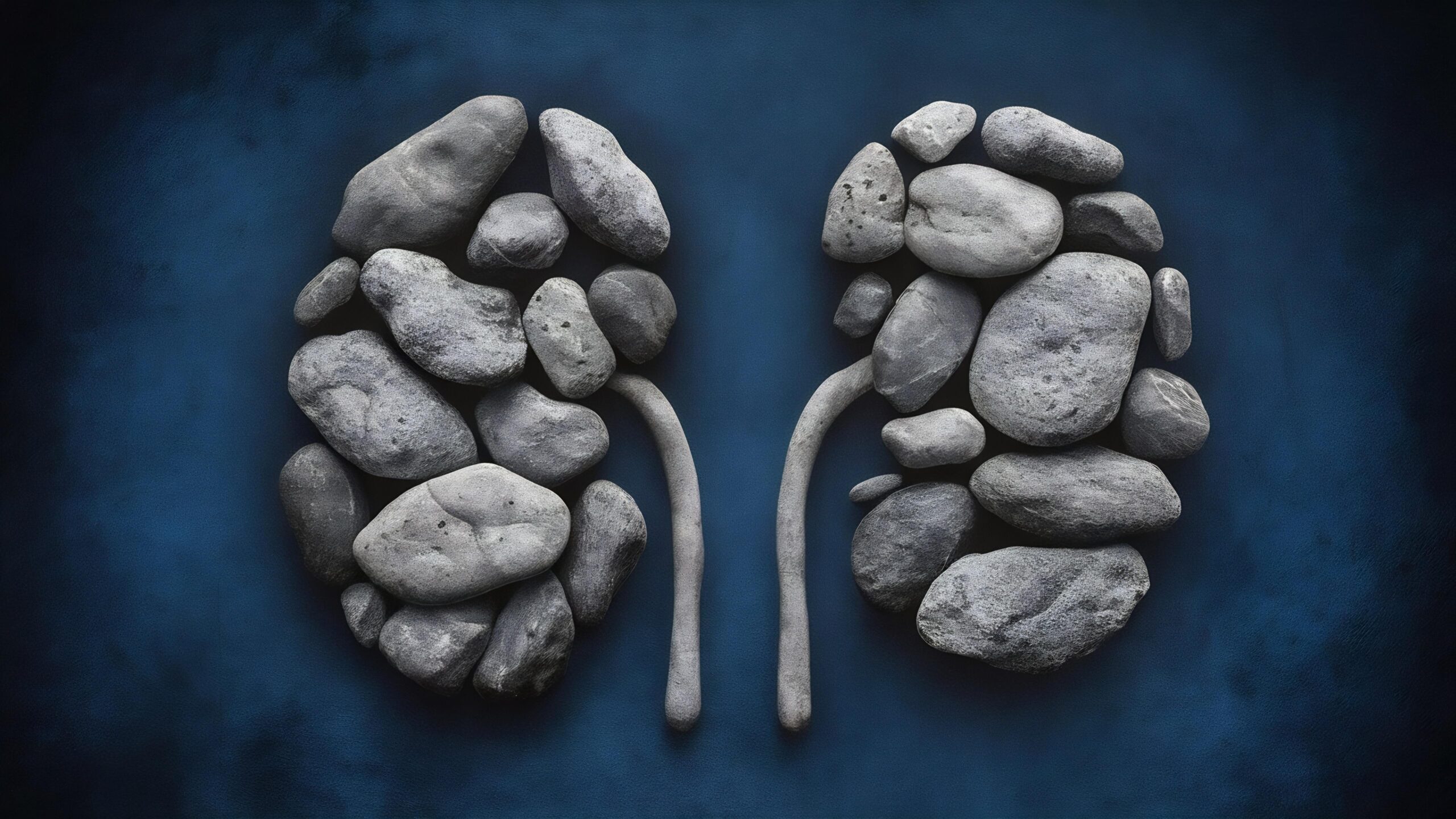
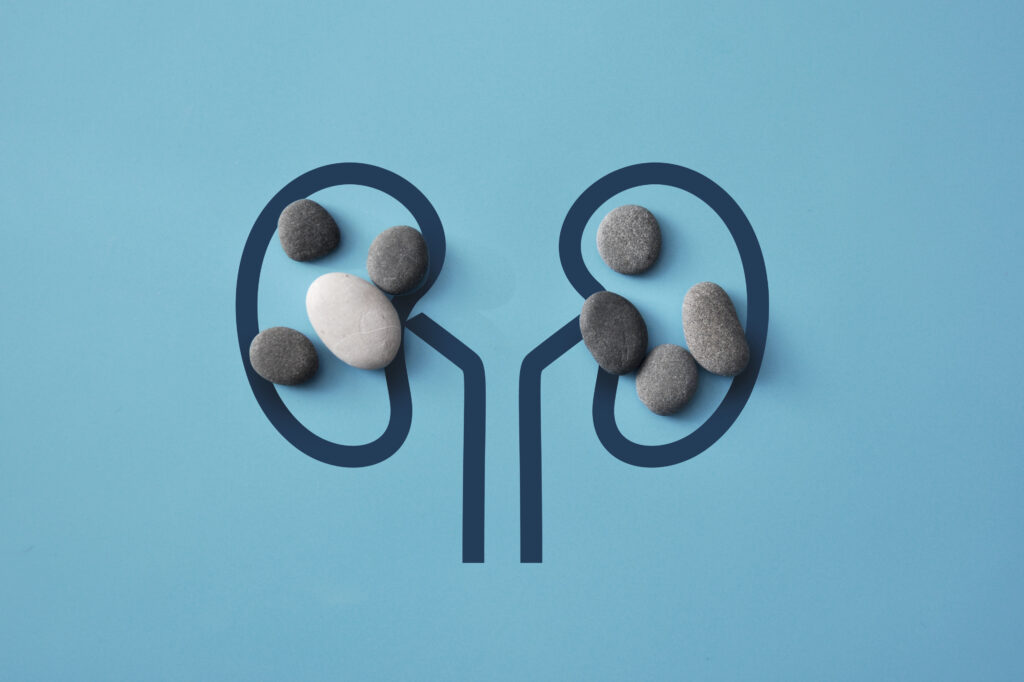
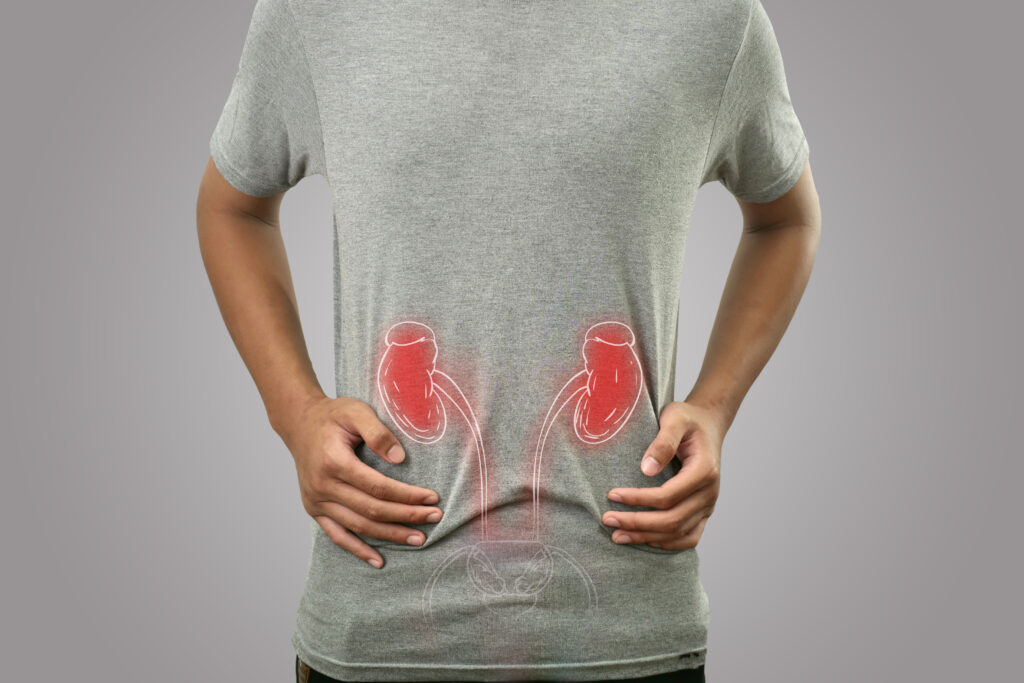
Kidney stones form in your urinary system, starting in the kidneys and sometimes traveling into the ureters. These stones are made from minerals like calcium or uric acid that clump together when your urine becomes too concentrated.
So — one is a digestive issue, the other is a urinary issue — but both can cause serious discomfort.
Where Does It Hurt?
| Condition | Location of Pain | Radiates To |
| Gallstones | Upper right belly (just below your ribs) | Back, right shoulder |
| Kidney Stones | Lower back or side | Lower belly, groin, inner thigh |
Still confused? Don’t worry — the other symptoms help paint a clearer picture.
What Do They Feel Like?
Gallstones:
- Pain after meals (especially fatty food)
- Nausea or vomiting
- Fever or chills (if infection is present)
- Yellowing of skin or eyes (jaundice)
- Dark urine
Kidney Stones:
- Intense pain that comes in waves
- Burning during urination
- Blood in urine
- Frequent urge to pee
- Cloudy or smelly urine
- Fever/chills (if infection develops)
If you’ve ever had either, you know: the pain is unforgettable.
Why Do They Happen?
Gallstones:
- High-fat or high-cholesterol diet
- Rapid weight loss
- Hormonal changes (e.g., pregnancy, birth control pills)
- Genetics
- Obesity
Kidney Stones:
- Low water intake (dehydration)
- Diets high in salt, animal protein, or oxalates (like spinach)
- Family history
Certain medical conditions (like gout or hyperparathyroidism)
Who’s Most at Risk?
| Gallstones | Kidney Stones |
| Women (especially over 40) | Men (30–60 years old) |
| People with high cholesterol | Low fluid intake |
| Rapid weight loss | High-sodium or protein-heavy diets |
| People with a BMI over 25 | Family history of stones |
How Can You Prevent Them?
For Gallstones:
- Eat fewer fried and processed foods
- Add more fiber (whole grains, veggies, fruits)
- Lose weight gradually (not crash diets!)
- Eat healthy fats like fish and olive oil in moderation
For Kidney Stones:
- Drink enough water to pass at least 2 liters of urine daily
- Cut back on salt and processed foods
- Limit foods rich in oxalates (like nuts, chocolate, spinach)
Maintain a healthy weight and stay active
Treatment Options
Gallstones:
- If they don’t cause symptoms, you may not need treatment
- If painful or infected, the gallbladder may need to be surgically removed (usually laparoscopically)
Kidney Stones:
If your kidney stone is small, it might pass on its own – with lots of fluids, rest and some pain relief. But when it’s too big or painful, doctor may suggest other options like:
- Ureteroscopy – where a thin tube is used to find and remove the stone.
- Shockwave therapy – this breaks the stone into smaller pieces so it can pass more easily.
- Keyhole surgery (Percutaneous Nephrolithotomy) – a minimally invasive method to remove large or stubborn stones through a small cut in the back.
When Should You See a Doctor?
- Pain that doesn’t go away or comes in waves
- Vomiting or nausea with abdominal pain
- Fever or chills (could signal infection)
- Yellowing skin or blood in urine
- Difficulty urinating or severe burning while peeing
Conclusion
Gallstones and kidney stones may seem alike – both small, both painful – but they come from different parts of your body and need different treatments. The good news? They’re both manageable when caught early.
If you’re unsure what’s causing your pain, don’t guess. Let a professional take a closer look.
Need Help Understanding Your Pain?
At Rashtrotthana Hospital, we understand that abdominal pain can be confusing – and frightening. Our experts in Urology and Gastroenterology are here to help you find answers quickly and get relief safely.
Whether it’s a gallstone or a kidney stone, we’ll guide you every step of the way – from diagnosis to recovery. Don’t ignore your pain. Book your consultation today.
Leave a Reply