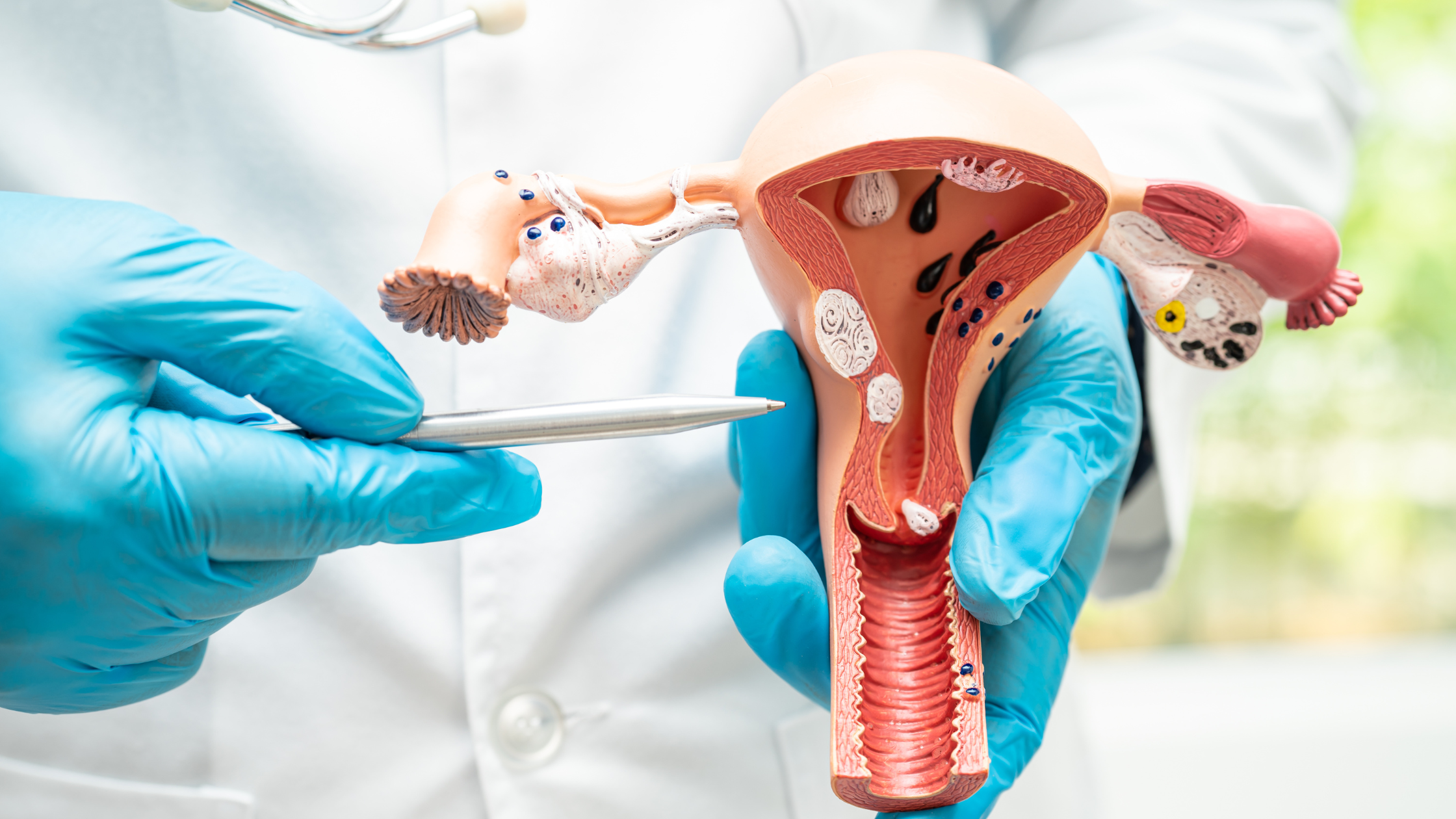
Cervical cancer is a major health concern affecting women globally. At Rashtrotthana Hospital, we focus on providing comprehensive care and expert treatment for cervical cancer. This blog offers crucial information on cervical cancer, including its symptoms, diagnostic methods and prevention strategies.
What is Cervical Cancer?
Cervical cancer originates from abnormal cells in the cervix that grow uncontrollably. This type of cancer is often linked to persistent infection with human papillomavirus (HPV). Regular screenings are crucial as they help in early detection of cervical cancer before it progresses.
Symptoms of Cervical Cancer
Early-stage cervical cancer may not show obvious symptoms. However, as the disease advances, some symptoms may include:
- Abnormal bleeding or spotting, including between periods or after intercourse
- Unusual vaginal discharge, which might be heavy or have a foul odor
- Pain during intercourse
- Persistent pelvic pain
A cervical cancer diagnosis often starts with recognizing these symptoms. If you notice any of these signs, it’s important to seek medical evaluation. Early diagnosis is key to effectively managing cervical cancer.
Diagnosing Cervical Cancer
To diagnose cervical cancer, healthcare providers use several methods:
- Pap Smear: Detects abnormal cells in the cervix that could indicate early cervical cancer. Regular pap smears are essential for early detection.
- HPV Test: Identifies high-risk HPV strains linked to cervical cancer.
- Colposcopy: Provides a closer look at the cervix if the pap smear results are abnormal.
- Biopsy: Confirms the presence of cervical cancer by examining a tissue sample under a microscope.
Early detection through these methods is critical for the successful treatment of cervical cancer.
Preventing Cervical Cancer
Prevention is a powerful tool against cervical cancer:
- Human Papillomavirus (HPV) Vaccine: Protects against the most common HPV types that cause cervical cancer. The HPV vaccine is recommended for preteens and adults.
- Regular Pap Smears: Help detect early changes in cervical cells before they become cancerous.
For women concerned about cervical cancer, regular screenings and vaccinations can significantly reduce the risk. At Rashtrotthana Hospital, we offer detailed consultations and preventive care to manage and reduce the risk of cervical cancer effectively.
Leave a Reply