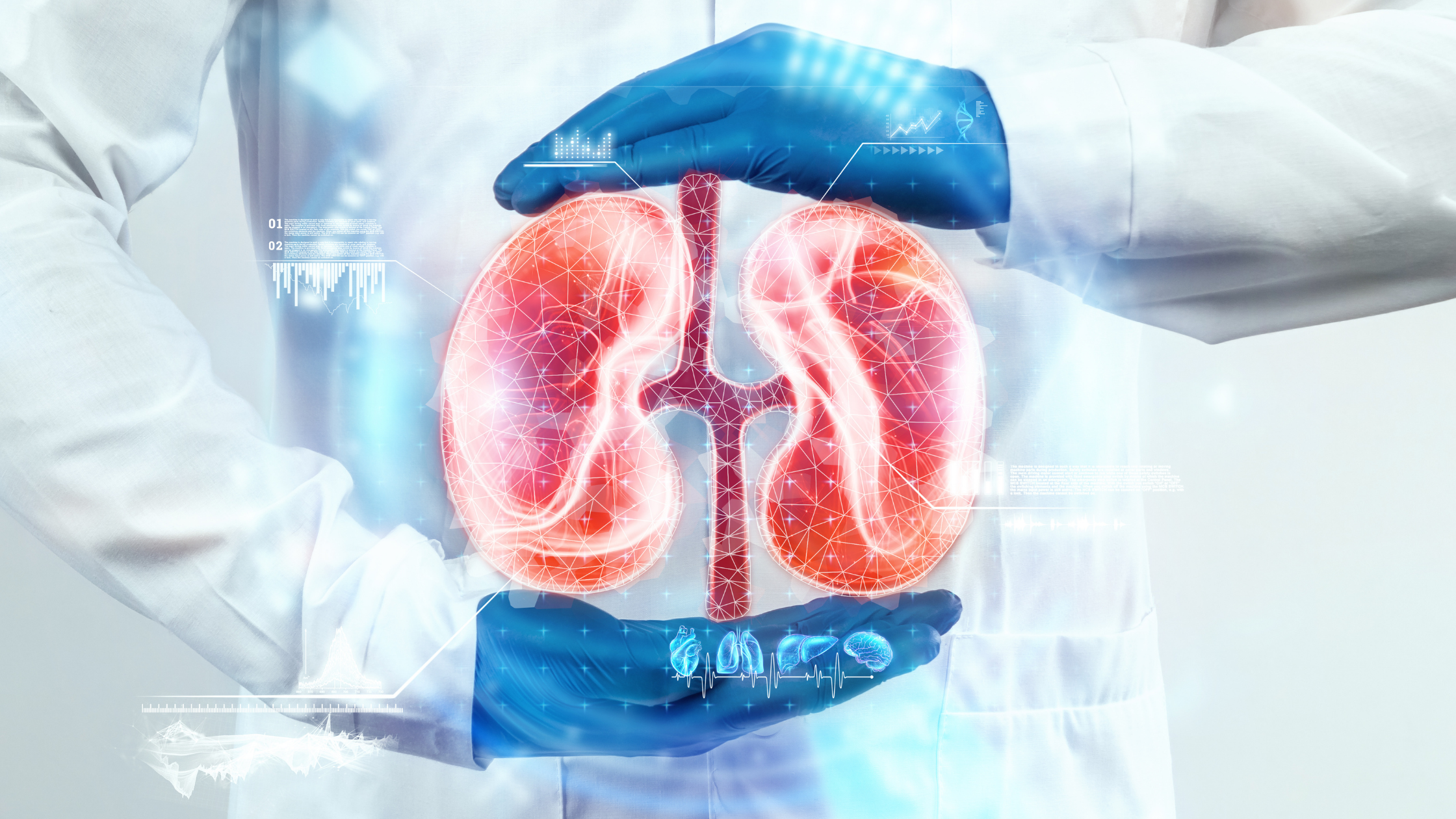
What are Kidney Stones?
Kidney stones are hard deposits made of minerals and salts that form inside your kidneys. They can affect any part of the urinary tract, from the kidneys to the bladder. Often, stones form when the urine becomes concentrated, allowing minerals to crystallize and stick together.
Symptoms of Kidney Stones
Initial Indicators:
The initial symptoms of kidney stones are often minor and may go unnoticed. However, as the stones grow or move, symptoms can become more pronounced.
- Sharp pain in the back, side, lower abdomen, or groin
- Pain during urination
- Pink, red or brown urine
- Nausea and vomiting
- Frequent urination or urge to urinate
- Cloudy or foul-smelling urine
- Fever and chills if an infection is present
Causes and Risk Factors:
Mineral Imbalances:
Kidney stones form when there’s an imbalance of minerals and salts in the urine. Common types of kidney stones include:
- Calcium stones: The most prevalent type, often made of calcium oxalate.
- Uric acid stones: Common in people who do not drink enough fluids or who lose too much fluid.
- Struvite stones: Often formed in response to a urinary tract infection.
- Cystine stones: Form in people with a genetic disorder called cystinuria.
Lifestyle Factors:
Certain lifestyle choices can increase the likelihood of developing kidney stones. These include:
- Drinking insufficient amounts of water
- Consuming a diet high in salt, protein, and sugar
- Being obese or sedentary
- Certain medical conditions, such as urinary tract infections and digestive diseases
Diagnosing Kidney Stones:
Imaging Tests include:
- X-rays: Commonly used but may miss small stones.
- CT Scans: Provide detailed images and can detect tiny stones.
- Ultrasound: A non-invasive way to identify kidney stones and associated complications.
Urine and Blood Tests
Urine and blood tests can identify any underlying causes contributing to kidney stone formation. For instance, high levels of calcium or uric acid in the blood might indicate the presence of kidney stones.
Treatments for Kidney Stones:
Treatment options for kidney stones vary based on the size and number of the stones. If your healthcare provider believes the stones will pass on their own, you may be given pain medication to help manage discomfort as they pass naturally.
Non-invasive treatments like shock-wave lithotripsy can be used to break the stones into smaller, passable pieces. For more advanced cases, a ureteroscopy may be performed, where the physician uses an endoscope to retrieve the stone. In some instances, surgery may be required for larger stones.
While kidney stones can be quite unpleasant, they are easily treatable when caught early. Stay properly hydrated with water and follow all your healthcare provider’s instructions regarding medications, especially if you are at high risk for developing kidney stones.
Conclusion
Kidney stones can be a painful and recurring problem, but understanding their causes, symptoms, and treatments can greatly aid in prevention and management. If you or someone you know is struggling with kidney stones, it’s essential to seek expert care. At Rashtrotthana Hospital, our experienced urologists provide comprehensive treatment options suited to your individual needs. Don’t let kidney stones control your life – let our experts help you reclaim your health and well-being.
For more information on kidney stone treatments and consultations, visit our urology department and speak with our specialists. Remember, prioritizing your kidney health today can prevent pain and complications tomorrow. Stay informed, stay healthy, and stay hydrated.
Leave a Reply