September is recognized as Gynecologic Cancer Awareness Month, a time dedicated to raising awareness about the five main types of gynecologic cancers: cervical, ovarian, uterine, vaginal and vulvar. These cancers affect a woman’s reproductive organs and can have a profound impact on overall health and quality of life.
At Rashtrotthana Hospital, we are committed to educating women about these cancers, emphasizing the importance of early detection and offering comprehensive care and support for those affected.
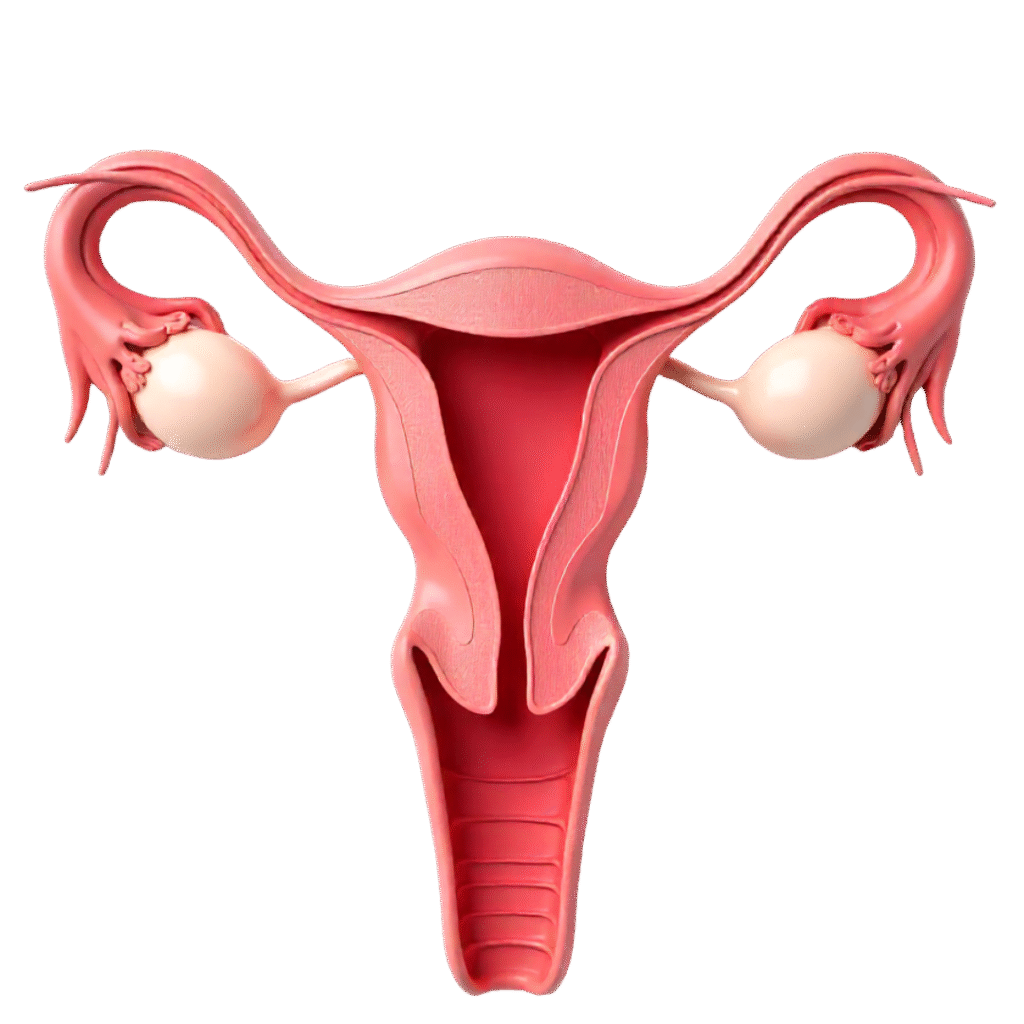
Understanding Gynecologic Cancers:
Gynecologic cancers develop in different parts of the female reproductive system. Each type has unique risk factors, symptoms and treatment options:
- Cervical Cancer: Begins in the cervix, usually caused by human papillomavirus (HPV). Regular Pap tests and HPV vaccinations can significantly reduce the risk.
- Ovarian Cancer: Known as the “silent killer” due to its subtle symptoms, ovarian cancer often goes undetected until later stages.
- Uterine (Endometrial) Cancer: The most common gynecologic cancer, usually presenting as postmenopausal bleeding, which should never be ignored.
- Vaginal Cancer: A rare cancer that may cause abnormal bleeding or discharge.
- Vulvar Cancer: Affects the external genitalia and can present as itching, pain or a lump on the vulva.
Why Early Detection Matters?
Detecting gynecologic cancers in the early stages can make treatment more effective and improve outcomes. Unfortunately, some gynecologic cancers lack reliable screening tests, which makes awareness of symptoms and personal risk factors all the more vital.
Women are encouraged to pay close attention to changes in their bodies – such as abnormal bleeding, persistent pelvic pain or changes in bladder and bowel habits – and consult their healthcare provider promptly.
Risk Factors to Be Aware Of:
While any woman may develop gynecologic cancer, some factors increase risk:
- Age: Risk increases, especially after menopause.
- HPV Infection: A leading cause of cervical cancer and linked to vaginal and vulvar cancers.
- Family History: A history of ovarian, breast or colorectal cancer may increase risk, particularly if linked to BRCA1 or BRCA2 gene mutations.
- Lifestyle Factors: Smoking, obesity and poor diet can elevate the risk of certain cancers.

Preventive Measures and Screenings:
There are important steps women can take to lower their risk and protect their health:
- Regular Screenings: Pap smears and HPV testing are vital tools for detecting cervical cancer early.
- HPV Vaccination: Strongly recommended for girls and boys starting at age 11–12 to prevent HPV-related cancers.
- Healthy Lifestyle Choices: Maintaining a healthy weight, eating nutritious foods, staying active and avoiding tobacco can significantly reduce risk.
- At Rashtrotthana Hospital, women can benefit from our Free Lifestyle Clinic, which provides expert guidance to adopt healthier daily habits. Learn more here.
- Genetic Counseling: For women with a family history of ovarian, breast or colorectal cancer, genetic counseling can help assess risk and discuss preventive options.
Our Commitment at Rashtrotthana Hospital
Gynecologic Cancer Awareness Month is not just about spreading awareness – it’s about empowering women to take charge of their health. By understanding risks, recognizing warning signs and undergoing regular screenings, women can protect themselves and their loved ones.
At Rashtrotthana Hospital, our specialists are here to provide compassionate, advanced care every step of the way. Whether you need screening, treatment or lifestyle support, we are dedicated to helping women lead healthier, stronger lives.
Leave a Reply