
For people living with diabetes, foot health is often underestimated – until a small wound turns into something serious. One of the most common complications we see at Rashtrotthana Hospital is the diabetic foot ulcer – an open sore that often appears on the bottom of the foot and can go unnoticed because of reduced sensation (neuropathy).
Studies show that nearly 15% of people with diabetes develop foot ulcers at some point and a significant number require hospitalization due to infections or related complications. The good news? Most of these issues can be prevented – or treated early – with the right care.
To support people facing these challenges, Rashtrotthana Hospital offers a dedicated Diabetic Foot Specialty Clinic, held every Monday and Saturday from 9 AM to 11 AM. The clinic is led by Dr. Sameer M. Halageri, who brings years of experience in helping patients manage and heal foot-related complications linked to diabetes
Why Do Diabetic Foot Ulcers Happen?
The two main reasons are:
- Neuropathy (nerve damage): High blood sugar damages the nerves, causing numbness, tingling or burning pain. This means injuries or cuts often go unnoticed.
- Poor circulation (vasculopathy): Reduced blood flow slows healing and increases the risk of infection.

When combined, these conditions make even minor injuries — like a blister from tight shoes — develop into non-healing ulcers.
Early Symptoms You Shouldn’t Ignore
Diabetic foot ulcers often start small, hidden beneath calluses or thickened skin. Watch for:

- Swelling, redness or warmth around a sore
- Thickened or callused skin over pressure points
- Foul-smelling discharge or pus
- Firmness or pain when touching the area (though sometimes pain is absent due to neuropathy)
- Fever or chills in severe infections
If you notice any of these signs, don’t wait – seek medical care immediately.
Why Early Detection Is Crucial
Left untreated, diabetic foot ulcers can lead to serious complications such as:
- Deep infections (osteomyelitis)
- Gangrene
- Sepsis (life-threatening infection)
- Risk of amputation in severe cases
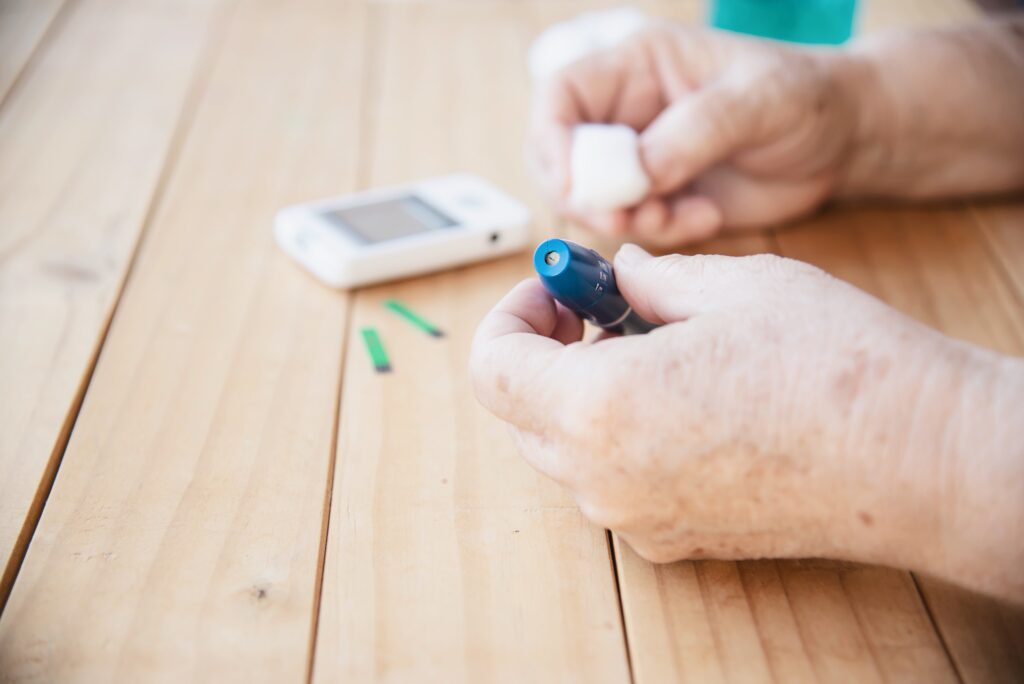
Regular foot checks and timely treatment can prevent these outcomes.
How We Treat Diabetic Foot Ulcers at Rashtrotthana Hospital
Our Diabetic Foot Specialty Clinic combines preventive, medical and advanced surgical care to manage ulcers effectively:
Wound Management
- Careful cleaning and removal of dead tissue (debridement)
- Moist dressings that promote faster healing
- Monitoring for signs of infection
Blood Sugar & Circulation Care
- Guidance to keep glucose levels stable (crucial for healing)
- Vascular assessments to ensure blood flow to the foot
Protective Measures
- Custom footwear with soft insoles and padded socks
- Advice on reducing walking pressure on affected areas
Advanced Interventions
- Offloading techniques, physiotherapy and surgical corrections if needed
Simple At-Home Foot Care Tips
Even when there’s no ulcer, daily habits can prevent future problems:

- Check your feet daily for cuts, blisters or changes in color
- Wash and dry properly, especially between toes
- Moisturize dry skin but avoid excess cream between toes
- Wear well-fitting shoes; never walk barefoot
- Visit regularly for foot checks, especially if you have numbness or past ulcers
Why Choose Rashtrotthana Hospital for Diabetic Foot Care?
- Dedicated clinic hours: Every Monday and Saturday, 9 AM – 11 AM
- Led by Dr. Sameer M. Halageri, experienced in diabetic foot and wound management
- Multidisciplinary support from endocrinology, vascular surgery and physiotherapy teams
Focus on prevention and early intervention to reduce the risk of amputations
When to Visit the Clinic Immediately
- Persistent or non-healing wounds
- Any change in foot color, swelling or temperature
- Unexplained pain, numbness or tingling
- Signs of infection – pus, bad odor or fever

Conclusion
Diabetic foot ulcers may seem harmless at first but can quickly become serious if ignored. Regular foot care, early detection and professional treatment are key to avoiding complications.
Our Diabetic Foot Specialty Clinic at Rashtrotthana Hospital, led by Dr. Sameer M. Halageri, is open every Monday and Saturday from 9 AM to 11 AM to help patients manage, treat and prevent diabetic foot problems. Don’t wait for symptoms to worsen – early care can save your feet and improve your quality of life.
Leave a Reply