Comprehensive Guide to Managing High Eye Pressure at Rashtrotthana Hospital: Your Path to Optimal Eye Health
Introduction
Your vision is paramount and at Rashtrotthana Hospital, we understand the crucial role early detection and treatment play in safeguarding against diseases that threaten it, such as Glaucoma. This condition, often linked to increased pressure within the eyes, can lead to the gradual deterioration of the optic nerve, the essential pathway for visual information from your eyes to your brain.
What You Need to Know About Intraocular Pressure and Optic Nerve Damage
Normal intraocular pressure ranges from 10 to 21 mmHg. However, when pressure exceeds this range, the risk of damage to the retinal nerve fibers and optic nerve increases significantly. This damage can diminish vision over time and without timely intervention, may result in irreversible vision loss.
Identifying Glaucoma: The Silent Threat
Often, Glaucoma earns the nickname, “the silent disease,” due to its lack of symptoms in the early stages. Many individuals first learn they have Glaucoma during routine eye exams, underscoring the importance of regular check-ups. As the disease progresses, some may notice reduced central vision. Early detection is critical for effective management, making routine screenings essential. Some individuals develop Glaucoma even with normal pressure (Low Tension or Normal Tension Glaucoma), possibly due to variations in blood supply to the optic nerve.
Symptoms of Elevated Eye Pressure
Though Glaucoma can be asymptomatic, certain symptoms may signal elevated intraocular pressure, including:
- Eye discomfort or heaviness
- Severe headaches
- Colored halos around lights
- Sudden redness and blurred vision
- Frequent changes in prescription glasses
Why Does Eye Pressure Increase?
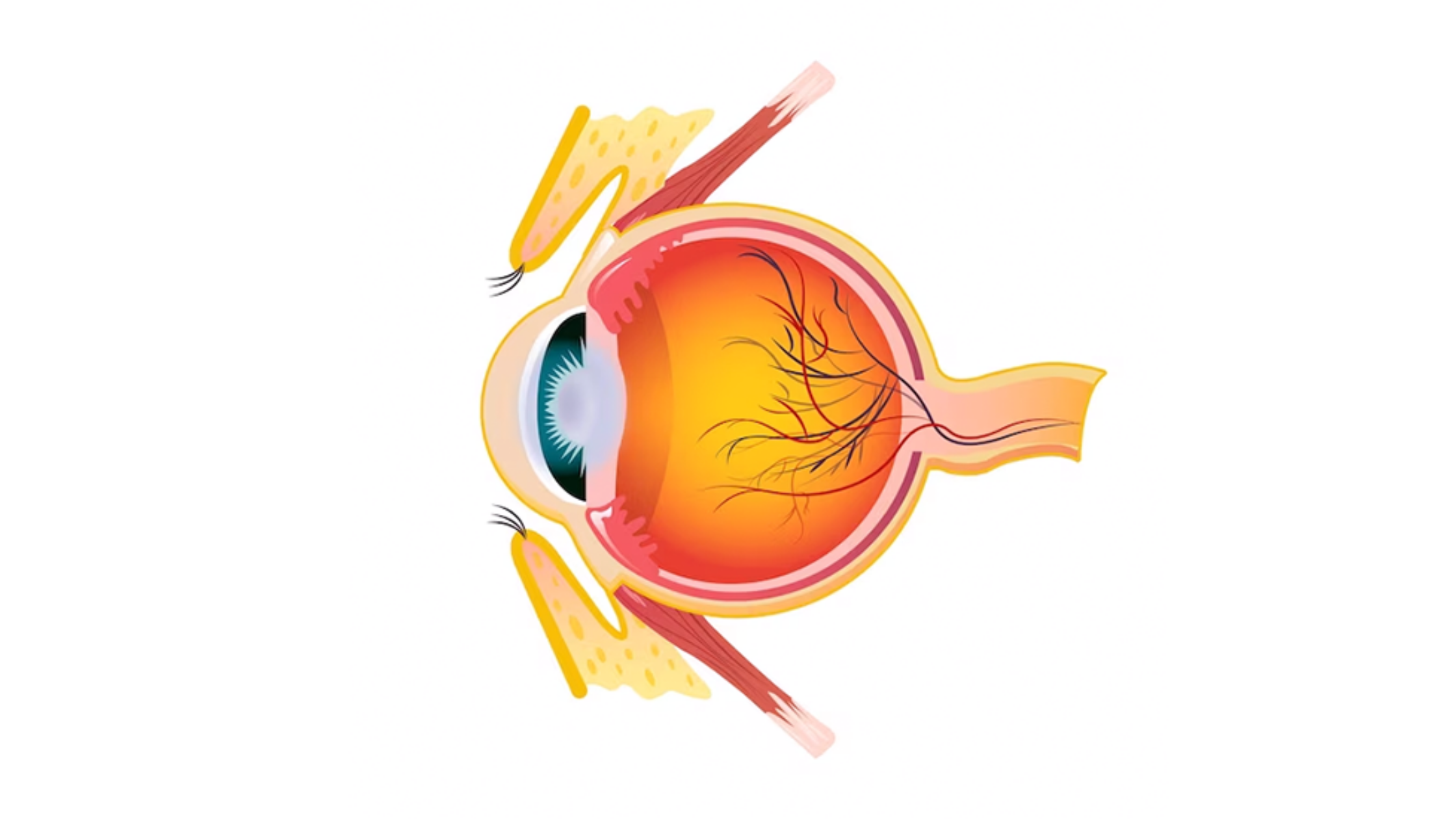
Imagine your eye as a balloon filled with water. Just as a balloon stretches when filled with too much water, the optic nerves are similarly affected when intraocular pressure is too high. Therefore, maintaining a delicate balance between fluid production and drainage within the eye is crucial. An imbalance, due to microstructural changes, can lead to increased pressure
Effective Glaucoma Management
Treatment may include medications, laser therapy or surgery, focusing on lowering intraocular pressure to prevent further damage. Our specialists at Rashtrotthana Hospital carefully select treatments to fit each patient’s unique needs, considering their overall eye health, coexisting conditions and lifestyle.
Innovative Treatment Solutions
The treatment for high eye pressure ranges from medicated eye drops to advanced surgical procedures. Our ophthalmologists prefer starting with less invasive treatments, such as prescription eye drops designed to reduce intraocular pressure. For cases where medication is insufficient in controlling the pressure, surgical interventions, including laser treatments, are considered. These surgical options are less invasive and aim at alleviating high eye pressure efficiently.
Lifestyle Adjustments for Glaucoma Patients
While Glaucoma patients can maintain their regular activities, managing overall health is vital. Conditions like hypertension, diabetes and thyroid disease should be well-controlled. Moderating caffeine intake may also benefit those sensitive to its effects on eye pressure.
Why Choose Rashtrotthana Hospital for Best Eye Care
High eye pressure is a condition that demands immediate attention and proper management to prevent severe eye diseases like glaucoma. At the Rashtrotthana Hospital, we prioritize your vision, employing advanced diagnostics and treatments to manage high eye pressure effectively. Whether you’re in need of a comprehensive eye exam or seeking treatment for eye-related issues, our team is here to provide exemplary care. Prioritize your eye health by choosing Rashtrotthana Hospital, where quality care meets expertise in ophthalmology.
Leave a Reply