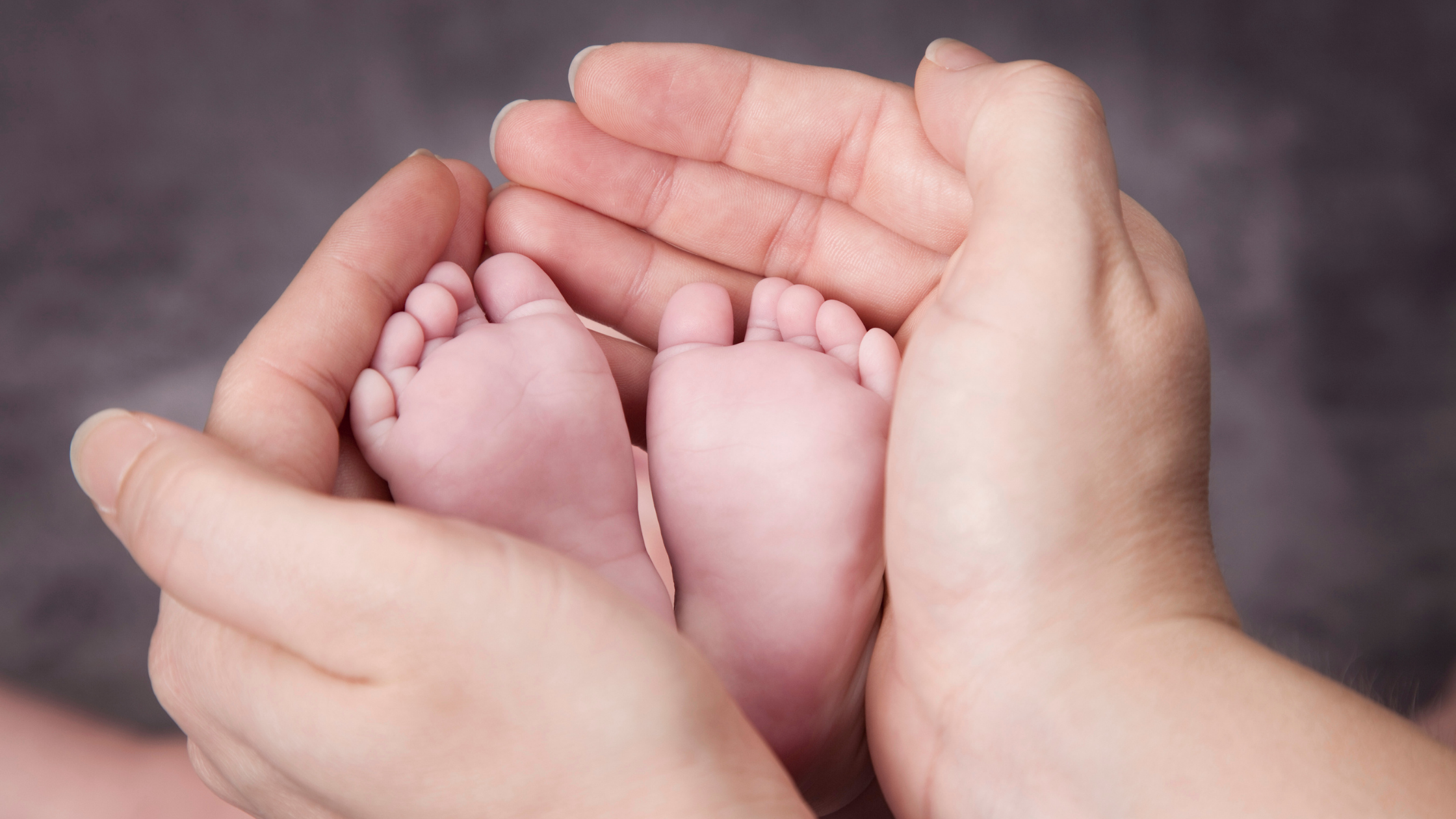
1) Vaginal Delivery: The most common and natural form of childbirth, vaginal delivery involves the baby passing through the birth canal. It’s typically favored due to lower risk and quicker recovery time. Vaginal deliveries are categorized into:
- Spontaneous Vaginal Delivery: This natural process begins without medical intervention, usually around the 40th week of pregnancy.
- Induced Vaginal Delivery: Labor is initiated using medications or techniques to stimulate contractions, often recommended due to medical reasons or post-term pregnancy.
2) Assisted Vaginal Delivery: When complications arise, obstetricians may use instruments like forceps or a vacuum device to aid the delivery. While this method shares many benefits with natural vaginal delivery, it carries specific risks such as increased chances of vaginal tearing or episiotomy.
3) Cesarean Section (C-Section): A surgical method where the baby is delivered through incisions in the abdomen and uterus. It’s chosen for various reasons, including medical complications or issues during labor. While it has its advantages, such as avoiding labor pain, it also involves a longer recovery period and potential surgical risks.
4) VBAC (Vaginal Birth After Cesarean): This option is available for women who have previously undergone a C-section. VBAC can lead to quicker recovery and fewer surgical risks. However, it carries the risk of uterine rupture due to the previous surgical scar.
5) Water Birth: Involving delivery in a water-filled tub, this method is chosen for its potential to reduce pain and provide a more relaxed birthing experience. While critics raise concerns about infection risks, proper hygiene practices can mitigate these concerns.
At Rashtrotthana Hospital, the Department of Obstetrics and Gynecology (OBG) upholds the principle “Mathruswasthyam Lokaswasthyam” – Mother’s Health is World’s Health. Emphasizing vaginal deliveries, our dedicated OBGYN team offers high-quality, affordable care. We provide comprehensive maternity packages covering the journey from the third month of pregnancy to delivery, ensuring a holistic approach to maternal health.
Our post-delivery home care package includes Ayurvedic treatments like Abhyanaga, delivered in the comfort of your home. Additionally, we offer specialized yoga packages tailored for expectant mothers, supporting both pre and post-delivery wellbeing. At JMRH, our goal is to offer comprehensive care that aligns with our vision of nurturing mother’s health for a healthier world.
BLOG 4: Gallstones: Symptoms, Diagnosis and Management LIVE
Gallstones are a prevalent health concern, often misunderstood by many. These are essentially hardened deposits of digestive fluid that form in the gallbladder, a small, pear-shaped organ located under the liver on the right side of the abdomen. The gallbladder’s primary function is to store bile, a greenish-yellow liquid that aids in digestion. However, problems arise when substances like cholesterol harden in the bile, forming gallstones which can obstruct the bile duct.
Recognizing the Symptoms:
Interestingly, many people with gallstones may not experience any symptoms, with only about 10% developing noticeable signs over five years.
While gallstones often remain asymptomatic, they can cause noticeable issues if they block the bile duct. The symptoms include:
- Intense and sudden pain in the upper right abdomen or near the stomach.
- Back pain, particularly between the shoulder blades.
- Right shoulder pain.
- Nausea, jaundice, itchy skin, diarrhea and rapid heartbeat.
How Are Gallstones Diagnosed?
At Rashtrotthana Hospital, our expert gastroenterologists begin with a thorough physical examination. To confirm the diagnosis, we may employ:
- Abdominal Ultrasound: This non-invasive test produces images of your abdomen, helping to detect gallstones.
- Endoscopic Ultrasound: This advanced technique provides a detailed view of the gallbladder and surrounding tissues.
Managing and Treating Gallstones:
For patients without symptoms, treatment may not be necessary. However, in cases where gallstones cause significant discomfort or complications, our specialists at Rashtrotthana may recommend:
- Surgical Removal: Removing the gallbladder is often the most effective treatment, as gallstones tend to recur.
- Medication: Certain oral drugs can dissolve gallstones, although this method may take time and is less effective than surgery.
Conclusion:
At Rashtrotthana Hospital, we understand that gallstones, while common, can be a source of significant discomfort and potential health complications. Our Gastroenterology Department, adhering to the highest standards of medical care, ensures that patients receive accurate diagnoses and effective treatments. Whether through advanced surgical procedures or medication, our team is committed to providing relief and long-term management of gallstones, ensuring our patient’s health and wellbeing.
Leave a Reply